Highest Forward-Facing Heights: Convertible Seats Ranked
By Luke Petrovic • 12th Apr
Understanding Forward-Facing Height Limits and Why They Matter
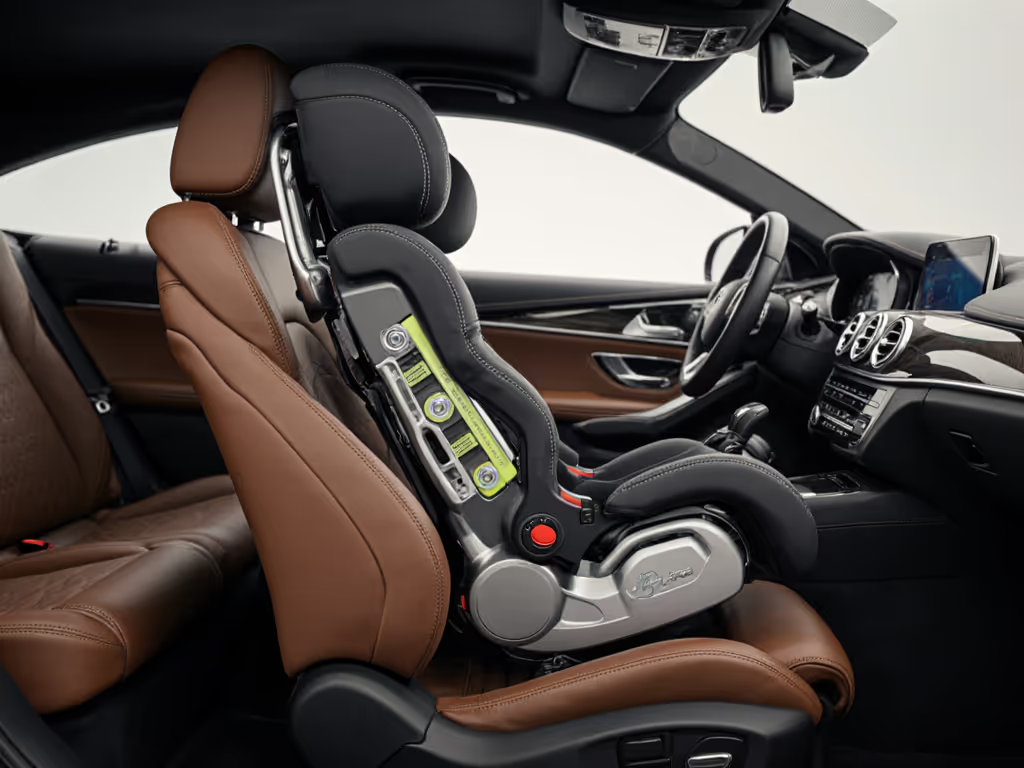
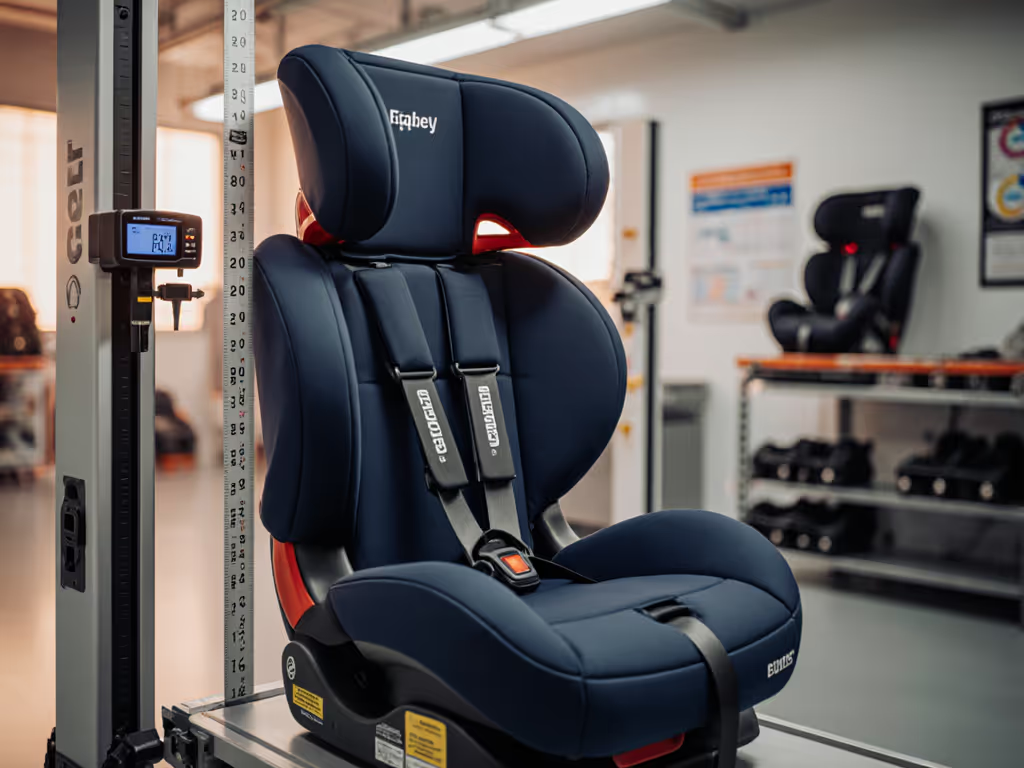
When your child transitions to forward-facing, the highest forward-facing height limits become a crucial factor in determining how long a single forward-facing convertible car seat will actually work for your family. Many parents assume their convertible seat will last years, only to discover their child's head reaches the top harness slot or overall height limit far sooner than expected. This premature outgrowth forces an unplanned upgrade and wastes money, a frustration I see repeatedly in families who didn't prioritize this metric during purchase.
Height limits matter because they directly affect cost-per-year math. Learn why height limits beat weight for long-term value. A seat that handles children up to 49 inches forward-facing versus one capped at 43 inches may seem like a small difference on paper. Over real family use, that 6 inch gap can represent 12-18 months of additional usable life, especially in households with siblings who will inherit the seat. Value shows up in years used, not marketing claims.
FAQ: Navigating Forward-Facing Height Specifications
What is the typical forward-facing height range for convertible seats?
Most convertible seats accommodate forward-facing children from approximately 24-29 inches at the lower end and anywhere from 40 to 49+ inches at the upper limit. The variance is substantial: a seat maxing out at 40 inches is fundamentally different from one reaching 49 inches in terms of longevity and total usable duration. According to safety guidance, children should remain in a forward-facing harness seat until reaching the top height or weight limit set by the manufacturer, whichever comes first.
Height alone, however, doesn't tell the complete story. A seat's forward-facing maximum height must be paired with its harness slot count and headrest design. A seat with fewer top-slot positions or a rigid, non-adjustable headrest may restrict usable height well before the manufacturer's stated limit.
Which convertible seats offer the highest forward-facing heights?
Searching published specifications reveals a tier system:
High-end performers (47-49+ inches forward-facing):
- Britax Poplar reaches up to 49 inches forward-facing, with 17 top harness slots and a 65 pound weight limit. This geometry allows taller children to stay harness-protected longer without prematurely outgrowing torso-wise.
- Graco Extend2Fit 3 in 1 tops out at 49 inches forward-facing with substantial headrest extension, positioning it similarly.
Mid-tier options (43-46 inches forward-facing):
- Cosco Scenera Next maxes at 43 inches forward-facing (22-40 pounds), a compact, lightweight design that appeals to budget-conscious families but outgrows faster for above-average-height children.
Upper-weight performers:
- Graco 4Ever DLX and Graco 4Ever SnugLock accommodate forward-facing children up to 65 pounds, extending usable years even for heavier or taller kids.
These aren't random differences. For model picks focused on tall forward-facers, see our extended forward-facing seats for tall kids. A family with a tall 5 year old might find a 43 inch seat inadequate while a 49 inch option still fits confidently, delaying an otherwise unnecessary second purchase.
How does forward-facing height compare to weight limits?
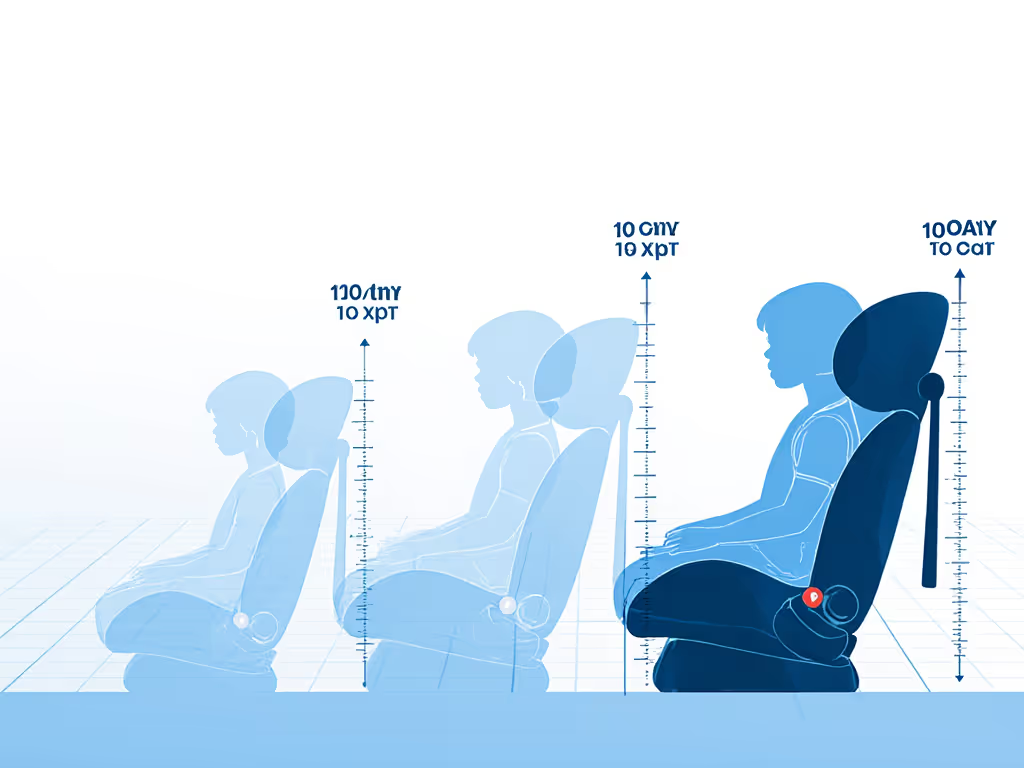
Height and weight limits function as two separate gatekeepers. Your child outgrows whichever limit they hit first. This is critical: a 50 pound child at 42 inches tall will hit the height cap of a 40 inch seat even though the seat permits heavier kids. Conversely, a 65 pound 8 year old at 48 inches might still fit a 49 inch seat but exceed the weight limit.
For total cost per year math, seats offering both high height and high weight limits deliver better longevity. The Graco 4Ever DLX (65 lbs forward-facing) combined with a 49-50 inch height capacity means the seat works for a broader range of children, reducing the risk of premature outgrowth on just one metric.
Value shows up in years used, not MSRP.
Seats that stack both metrics meaningfully (like the Britax Poplar at 49 inches and 65 pounds, or the Graco Extend2Fit at 49 inches with varying weight options) are worth scrutinizing if your family has taller or heavier-tracking children.
Does forward-facing height limit impact real-world comfort and fit?
Absolutely. Children constrained by insufficient headrest height often experience poor torso alignment and head slump during naps or highway stretches. A seat with 13-17 top harness slots adjusts more granularly, so the harness stays snug and head-supportive throughout growth rather than requiring a premature move to booster mode.
Additionally, forward-facing legroom becomes a comfort variable many parents overlook. A seat with a deeper shell and more generous legroom depth measurements means children's legs don't cramp against the back of the front seat, reducing fussiness on long drives and improving acceptance of the seat, which makes daily use friction lower and installation adherence higher.
What about forward-facing height comparison when fitting multiple seats?
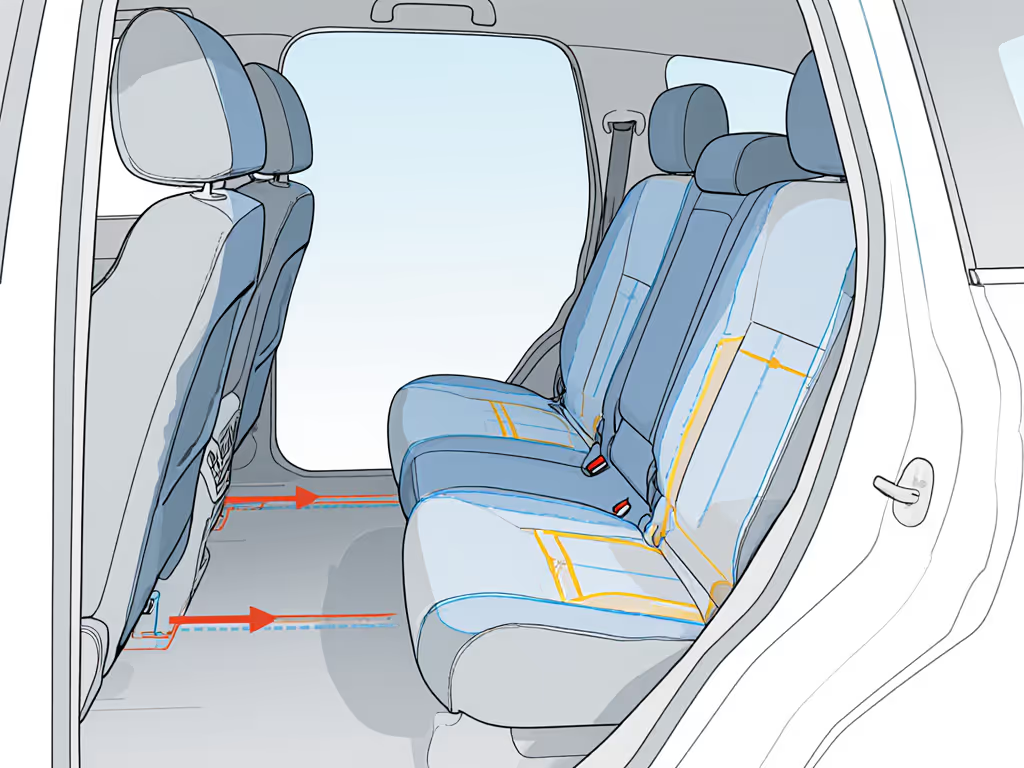
Families with multiple children face acute geometry challenges. A tall forward-facer flanked by two rear-facing infant seats or another forward-facer leaves little room. Narrower convertibles (like the Britax Poplar with a narrow profile or Cosco Scenera Next with a compact front-to-back fit) help compress the footprint without sacrificing headrest height. Our tested roundup of narrow convertible car seats can help you plan dependable three-across solutions.
When comparing seats for three-across seating, prioritize:
- Width of the seat shell at the base
- Forward-facing height limit (taller is better for longevity)
- Headrest design (does it extend without adding width?)
A seat offering 49 inch forward-facing height in a narrow profile outperforms a bulkier seat maxing at 43 inches, because you get both durability and practical fit, two assets that reduce long-term cost and frustration.
How do forward-facing comfort features tie into height limits?
Top-performing seats pair high height limits with practical features:
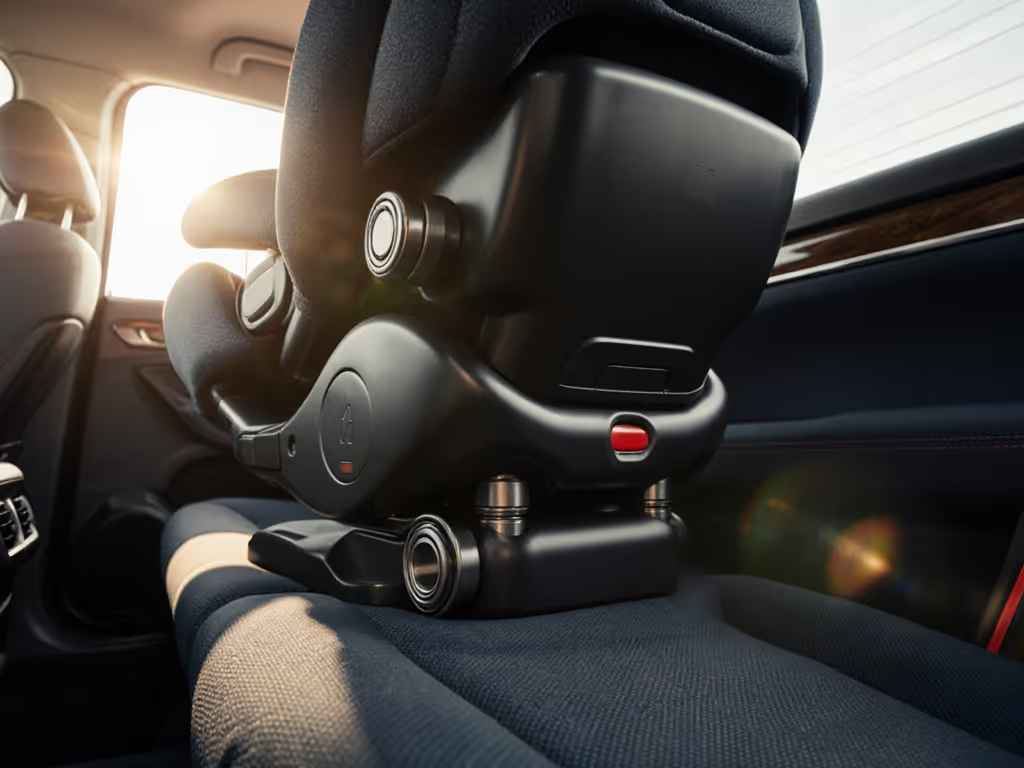
- No-rethread harnesses allow torso adjustment without removing the child; essential for children growing through 4-7 years.
- Multiple headrest positions (10+ is ideal) ensure the top harness slots remain at or slightly above the child's shoulders throughout growth.
- Recline adjustment for forward-facing installation supports proper strap routing and reduces tension fatigue on your child's neck and shoulders.
A seat with a 49 inch height limit but a rigid headrest and only 5 harness slots effectively caps usable life far earlier than its specs suggest. The functional height limit is what matters operationally, not the theoretical maximum.
Maintenance and Durability: The Overlooked Height-Limit Factor
Height limits also depend on the seat's physical durability over years. Fabrics that degrade, harness webbing that frays, or buckles that loosen reduce effective safety and comfort long before a child hits the actual height cap. A family I tracked over five years chose a simpler, durable convertible over a premium model. By year two, the premium seat's cover started pilling and the headrest adjustment mechanism grew sticky. The simpler model's cover was still pristine and removal for cleaning took 90 seconds. Five years in, the simpler seat, which they'd also handed down to their nephew, still clicked solidly and fit both cars. Their cost-per-year math favored the durable option decisively.
When evaluating convertible seats for their height range, verify:
- Fabric durability: Are covers removable and machine-washable, or limited to spot-cleaning only?
- Harness material: Will it withstand repeated adjustments across 3-4 years without stretching or fraying?
- Spare-part availability: Can you source replacement straps, covers, or headrest pieces affordably if the seat sustains normal wear? To maximize lifespan, see our comparison of repairable convertible car seats that offer affordable replacement components.
A seat reaching 49 inches forward-facing but lacking spare parts support may force retirement earlier than a 46 inch seat with robust aftermarket availability.
Summary and Final Verdict
When selecting a forward-facing convertible car seat based on height capacity, think beyond the raw number. The seats truly deserving consideration in the highest-performing tier (such as the Britax Poplar at 49 inches, 65 pounds, and 17 harness slots, and the Graco Extend2Fit 3 in 1 at 49 inches forward-facing with extended headrest geometry) justify their positioning through demonstrable longevity and flexibility across vehicle types and multi-child households.
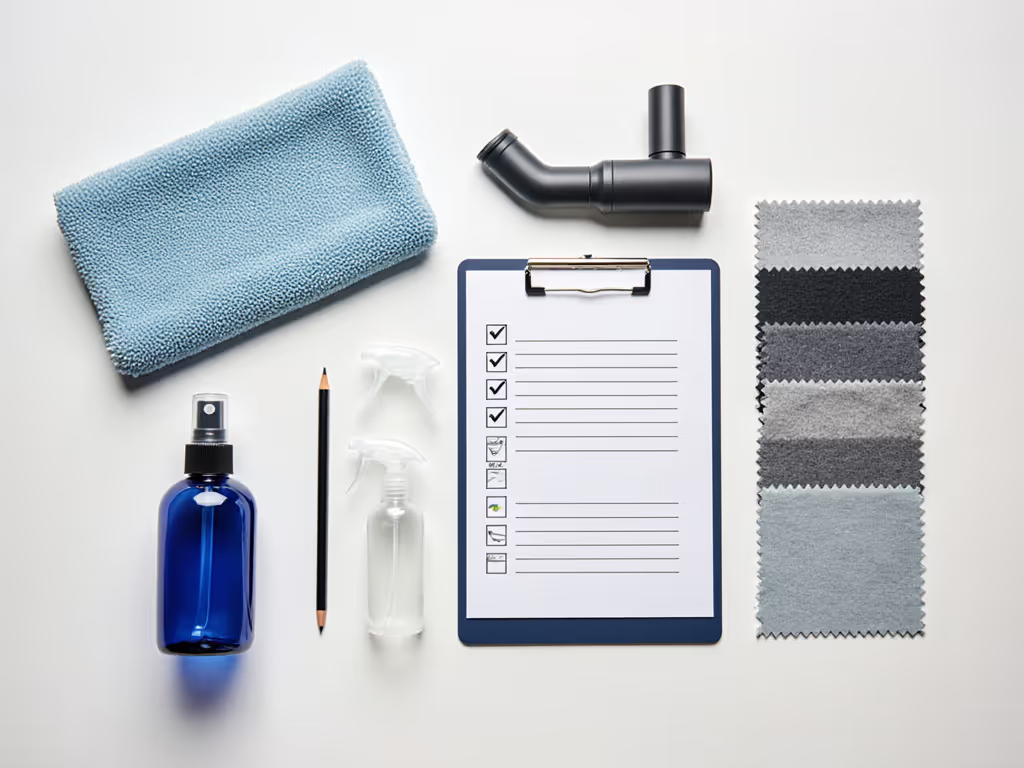
For narrower budgets or families with average-height children, Cosco Scenera Next or Graco 4Ever DLX models offer solid performance within their limits, though maximum usable years will be shorter. The failure-point checklist for any seat you're considering should include:
- Forward-facing maximum height in inches (48+ is ideal for extended use)
- Weight limit (65 lbs is a strong marker)
- Harness slot count (10+ positions minimize premature outgrowth)
- Headrest adjustability (mechanical, smooth, multi-position)
- Fabric removability and washability
- Spare-part availability online or through the manufacturer
- Narrowness (for multi-child fits)
Your goal: a seat that doesn't cap out prematurely by height alone, cleans easily over repeated use, and offers clear long-term value over a 5-7 year ownership span. Measure your own child's current torso length and project growth using pediatric growth charts, then match those benchmarks to seats on your shortlist. A seat that genuinely reaches 49 inches and remains mechanically robust across years will outperform both your budget anxiety and your child's comfort timeline. That's the math that matters.
Related Articles