Foolproof Car Seat Installation: Easiest Models Compared
By Nandita Rao • 31st Dec

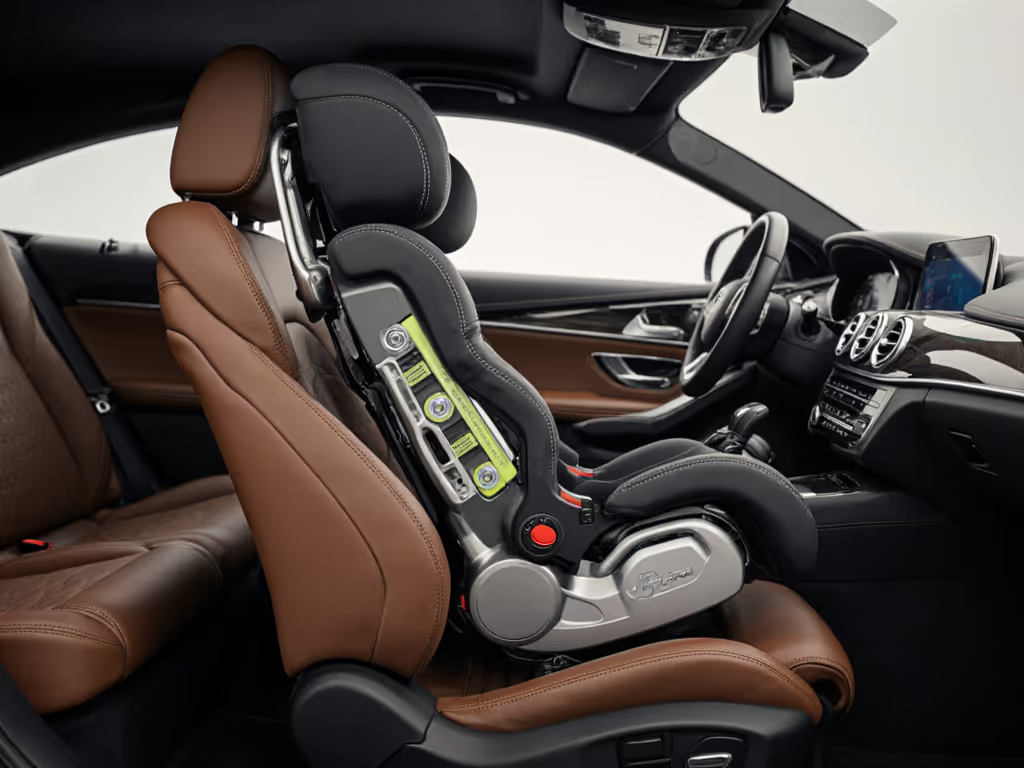
You've felt it, the knot in your stomach when you buckle your baby in for the first time, wondering "Did I get this right?". That's why this car seat installation system comparison cuts through the noise. As someone who's helped thousands of caregivers achieve easiest car seats to install in their specific vehicles, I'll show you exactly which models turn anxiety into confidence. Forget confusing manuals or influencer hype. We're focusing on repeatable installs, intuitive routing, and features that prevent real-world errors. Because true safety isn't just about passing crash tests, it's about you installing correctly, every single time. If you're comparing by installation ease, start with our easy-install convertible seat picks.
Why "Easy to Install" Matters More Than You Think
Most parents assume all car seats install similarly. But a 2024 CPST field study found over 50% of seats had critical installation errors, even with labeled LATCH paths. Why? Vehicle quirks (like sloped seats or stiff seatbelts) turn minor design flaws into major safety risks. The right seat compensates for your car's limitations with:
- Visual installation indicators that show tightness at a glance
- LATCH system reliability with connectors that stay locked
- Seat belt routing effectiveness that avoids tangling
- Car seat installation error prevention via foolproof base angles
Remember: An "easy" seat isn't just lightweight, it's forgiving. It guides you through friction points so you build muscle memory, not panic. (Like that library parking lot mom who just needed to practice reinstalling twice...)
The Top 3 Seat Types That Actually Simplify Daily Life
Infant Carriers: For Stress-Free Newborn Rides
Infant seats shine when moving babies between cars and strollers. But not all bases are equal. Prioritize seats with:
- Color-change tightness indicators (green = safe)
- Push-button LATCH connectors (no prying with stiff hands)
- Recline-angle locks that stay set during travel
Standout Model: Chicco Fit360 This rotating carrier solves the #1 infant seat frustration: awkward lifting. Its carabiner-style LATCH connectors click securely without forcing you under the seat. The real magic? A visual installation indicator showing base stability via window lights. When the light turns solid green after tightening, you know it's locked. Plus, machine-washable covers survive real life. Perfect for SUVs (spins freely), but verify clearance in compact cars first.
Why it beats others: Unlike traditional bases requiring 300+ lbs of force to tighten, the Fit360's tensioning lockoff achieves 1-inch max movement with one smooth pull. Critical for postpartum parents or grandparents with limited strength. And no, the rotating mechanism doesn't add install complexity, it's base-first, then attach the carrier.
Your Action Step: Before buying, test the base in your vehicle's center seat. If your car has a floor hump, try the Fit360's seatbelt install mode, its belt routing effectiveness avoids the "tug-of-war" most seats create.
Rotating Convertibles: The Game-Changer for Growing Kids
Rotating seats get hype for convenience, but the best ones make installation easier, not harder. Avoid gimmicks like excessive weight or confusing rotation locks. For a full comparison of 2025 models, see our rotating car seat guide. Seek:
- Single-direction base installation (no "is this seat twisted?" panic)
- Load leg stability (reduces crash forces dramatically)
- Harness adjusters that work without flipping the seat
Standout Model: Clek Liing Don't let its premium price scare you off. The Liing's load leg isn't just for crash protection, it stabilizes the base during install. You'll feel immediate feedback when it's seated correctly (no more "is this tight enough?" guessing). LATCH system reliability shines with rigid connectors that don't detach accidentally. And the harness adjusts from the front, crucial for parents with back strain.
Critical note: This seat requires reading the manual's load leg section. But once you do? Installation error prevention kicks in: a floor-level indicator shows optimal leg extension. No more eyeballing angles. Pro tip: Install via seatbelt in the center seat, its tensioning lockoff makes it idiot-proof.
Why it beats others: Most rotating seats become heavy levers during installation (we're looking at you, 33+ lb models). The Liing's base-only weight (18 lbs) + intuitive routing means you control the process, not the seat.
Space-Saving Convertibles: For Cramped Cars & Carpool Chaos
If your sedan feels like a sardine tin, skip wide seats promising "more room." Focus on actual width (under 18") and seat belt routing effectiveness for tight spaces. Look for:
- Base-first installation (separates carrier from angle setup)
- Low-profile bases (no interference with front seats)
- No-rethread harnesses (grows with your child)
Standout Model: Britax One4Life Slim This is the secret weapon for urban parents. At just 16.5" wide, it enables 3-across setups without sacrificing legroom. For more options that truly fit small cars, check our best narrow convertible car seats. But its genius is in install simplicity: Britax's QuickTight system uses a pull strap that only tightens, no slipping back. What makes it foolproof? Visual installation indicators are built into the base: red arrows mean "loose," green means "locked." Zero guesswork.
Critical note: Don't skip the base-first step. Install the base alone using your vehicle's seatbelt path (its belt routing effectiveness here avoids the LATCH limitations of narrow seats). Then click in the carrier. Repeat this 3 times, that's how you build muscle memory.
Your 5-Minute Confidence Checklist (No Manual Needed)
Avoiding installation errors isn't about perfection, it's about routine. Do this every time: Keep this process handy with our 7-step installation checklist.
- PREP Your vehicle seat: Remove coats/pillows. Ensure headrests are up.
- ROUTE LATCH/connectors: TUG straps until webbing feeds smoothly (no biting or twists).
- TIGHTEN Using your hips (not arms): Rock the seat base side-to-side while pulling.
- VERIFY With visual installation indicators: "Is my green light on? Is my load leg flush?"
- TEST Harness: "Pinch test", if you can pinch webbing at shoulder, retighten.
Confidence is repeatable installs, snug harness checks, and simple routines you can trust, even at 2 AM.
What Not to Sacrifice for "Easy"
Some brands cut corners for simplicity. Never compromise on:
- LATCH weight limits (stop using LATCH at 40 lbs, then switch to seatbelt+tether)
- Expiration dates (plastic degrades; most seats expire at 7-10 years)
- Recline angles for newborns (45 degrees max to prevent airway collapse)
Remember: The easiest seat for you aligns with your vehicle and physical needs. That mom in the library lot? She didn't need a "premium" seat, she needed to practice until her hands remembered the steps.
Your Actionable Next Step
This week: Visit a certified CPST station with your top 2 contenders. Bring your vehicle, your everyday clothes (to test buckling), and your stroller. Do not buy online until you:
- Install both seats twice
- Verify the harness fits your child (not just the demo doll)
- Confirm seatbelt/LATCH paths feel intuitive for you
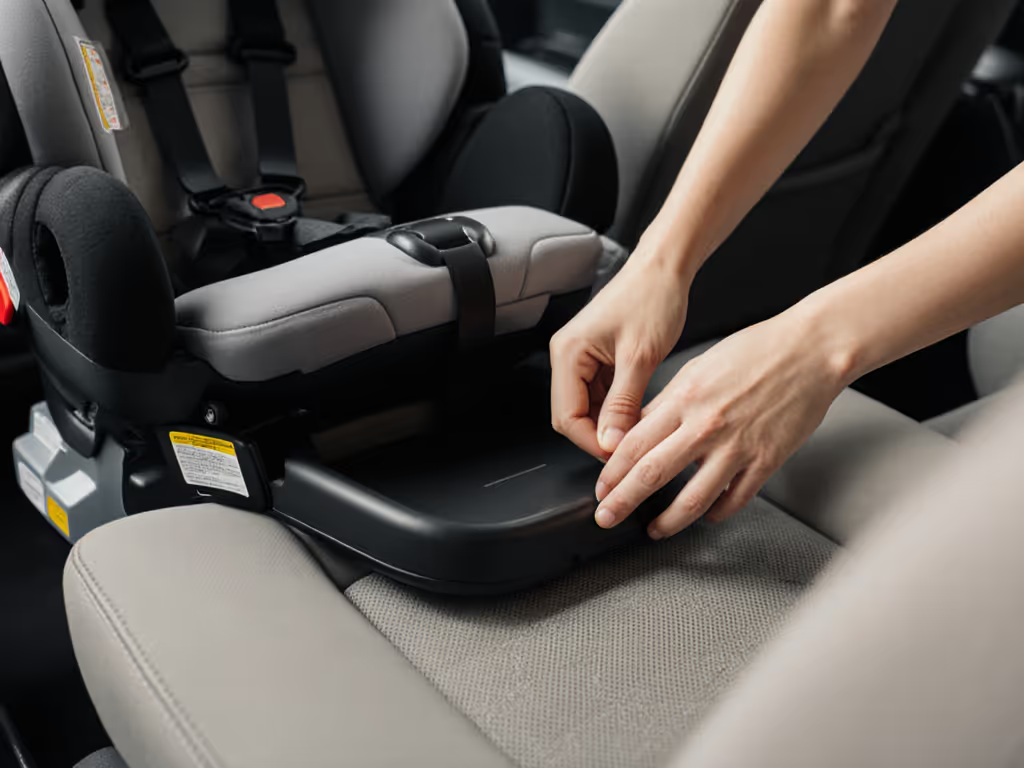
There’s no universal "easiest" car seat. But there is a confident one, the model that turns your biggest fear into a routine you own. Start small. Install once. Practice the harness check. Do it again. Confidence is repeatable installs - and that's exactly what you'll build.
Related Articles