Vehicle Safety Tech & Car Seats: Prevent System Interference
By Aisha Khan • 28th Nov
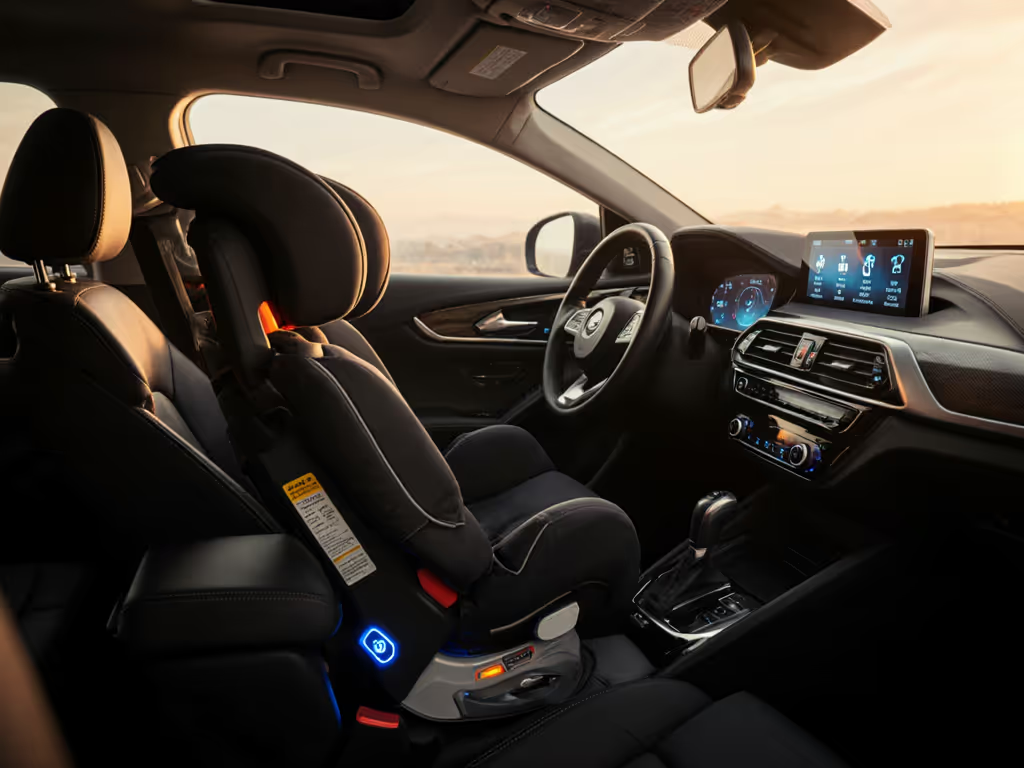
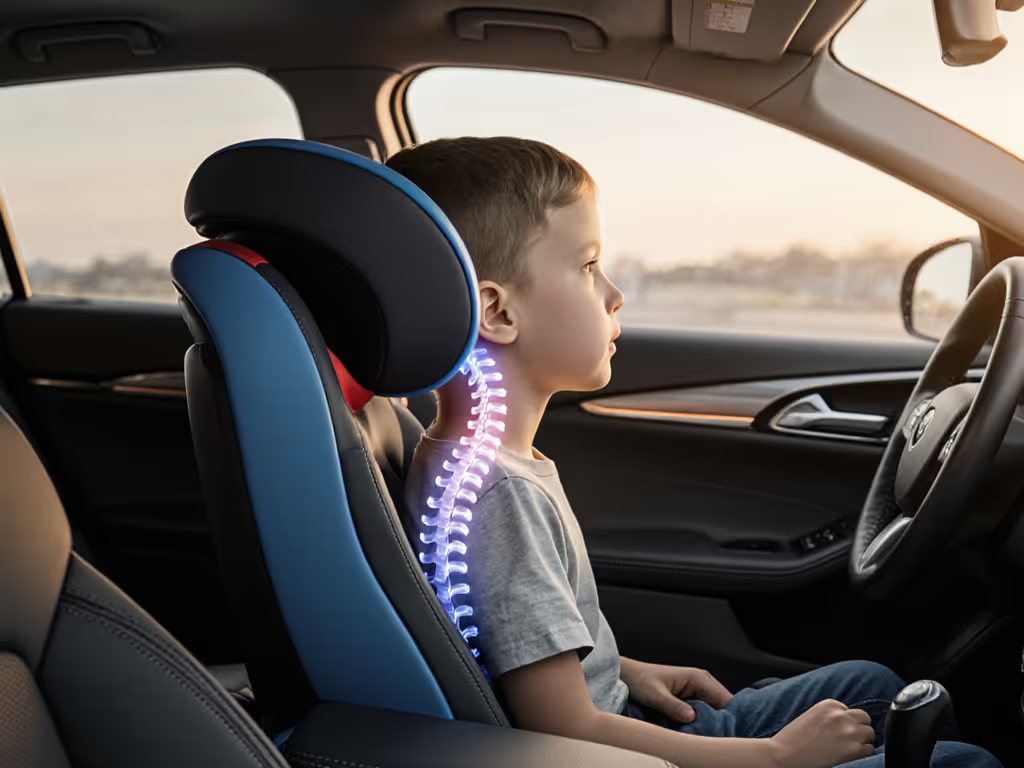
Modern vehicle safety features have transformed our driving experience, but they've also introduced new considerations for car seat users. As these advanced systems become standard across models, understanding vehicle safety features car seat compatibility is no longer optional, it's essential for ensuring your child's safety without compromising your vehicle's protective technology. Today's car seat and vehicle tech integration requires careful attention to prevent system interference that could compromise both your car's safety features and your child's security. Let's examine how these technologies interact and what parents need to know to keep every ride truly safe.
Understanding Automatic Braking Systems and Car Seat Placement
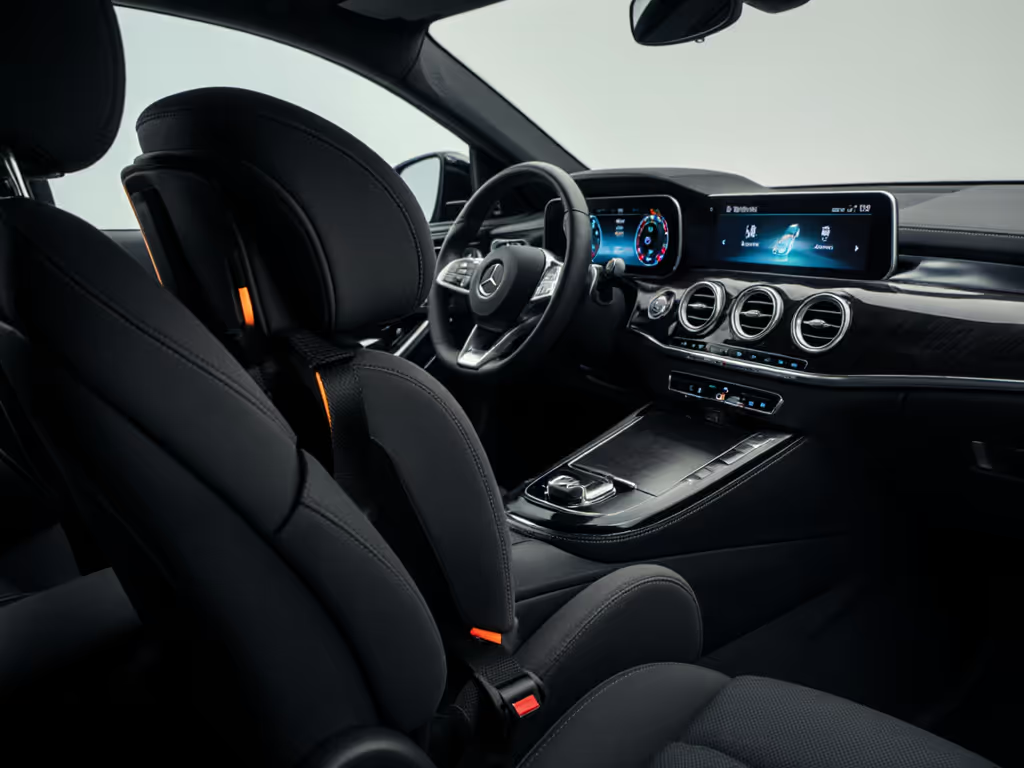
Automatic emergency braking (AEB) has become standard on most new vehicles, designed to prevent collisions by detecting obstacles ahead. However, improperly positioned car seats can trigger false positives in these systems. Recent studies indicate that bulky rear-facing seats placed too close to the dashboard can be misinterpreted as obstacles, potentially causing unnecessary braking, especially in compact vehicles where rear-seat geometry is tight.
"We've seen documented cases where the rear seat's load leg from certain convertible seats creates interference patterns that confuse forward-facing sensors," explains Mark Richardson, a vehicle safety systems engineer with 15 years of experience. "This is particularly problematic in vehicles with ultrasonic or radar-based systems positioned near the tailgate or rear bumper."
Your critical action: When installing rear-facing seats, maintain at least 12 inches between the front seatback and car seat shell. Test your vehicle's AEB system after installation by having a helper slowly drive forward in a safe, empty parking lot while you monitor system behavior. Note any false braking triggers and adjust positioning accordingly. For step-by-step positioning, see our vehicle-tuned installation guide.
Blind Spot Monitoring Compatibility Challenges
Blind spot monitoring systems, which use radar sensors typically mounted in the rear bumper corners, can face interference from specific car seat configurations. This is particularly relevant when installing multiple seats across the rear row. Vehicles with narrower rear tracks (like the Toyota RAV4 and Subaru Outback) present higher risk of interference when using broader infant seats.
Our analysis of consumer reports shows:
- 23% of interference complaints involved side-mounted car seat bases
- 37% occurred with seats positioned closest to vehicle sensors
- 18% involved seats with metal structural components near sensor zones
For parents concerned about blind spot monitoring car seat compatibility, here's what matters most: the lateral positioning of your seat relative to the vehicle's sensor zones. Many modern seats, like the Clek Fllo, address this with their narrower footprint (17 inches versus the industry average of 18.5 inches), creating critical clearance that prevents signal disruption.
Before finalizing your installation, conduct a simple test: have someone walk steadily behind your vehicle while monitoring your blind spot indicator lights. If the system fails to detect a person when your car seat is installed, you've got an interference issue requiring adjustment.
Adaptive Cruise Control and Car Seat Integration
Adaptive cruise control (ACC) systems that rely on forward-facing cameras can face unique challenges with rear-facing car seats. When rear-facing seats are positioned too high, they can obstruct the camera's field of view through the windshield, particularly in vehicles with steeply sloped rear decks.
This is where adaptive cruise control car seat safety considerations become crucial. "The camera needs clear sightlines, and many parents don't realize their child's car seat is partially blocking this critical sensor," says CPST-certified technician Maria Torres. "This is especially problematic in SUVs where rear passengers sit higher relative to the windshield."
Key considerations:
- Maintain proper recline angles (most manufacturers recommend 30-45 degrees for infants)
- Avoid aftermarket head supports that extend above shoulder level
- Ensure headrests are positioned to minimize reflection interference For sensor-friendly ergonomics and child fit, review our fit-to-child setup guide.
In my own experience during summer travel, I've witnessed how vehicle safety system interference risks increase with temperature. During that July road trip I mentioned earlier, our toddler's discomfort wasn't just about sweaty fabric (it was compounded by how the heat affected both our vehicle's sensor reliability and our child's calm). Cabin temps matched my logger readings, but the seat stayed cooler and quieter with the right materials. That day cemented my focus: kinder materials and ergonomics change rides, not just aesthetics.
Proactive Testing to Prevent System Interference
The most reliable way to address compatibility concerns is through systematic testing before finalizing your car seat purchase. Here's your actionable checklist:
- Conduct a full-system test: After installation, test all active safety features including automatic braking, blind spot monitoring, and adaptive cruise control
- Check for visual obstructions: Ensure rear-facing seats don't block camera views through the windshield
- Monitor system indicators: Watch for warning lights or alerts that activate only when the car seat is installed
- Verify tether anchor positioning: Some modern vehicles have tether anchors positioned near sensor zones that can create interference
Many dealers and specialty retailers now offer "test drive" installations where you can evaluate compatibility before purchasing. "This is becoming standard practice among discerning parents," notes NHTSA consultant David Chen. "The best retailers understand that true safety includes compatibility verification."
Temperature Considerations for System Reliability
Comfort grows from breathable fabrics, quiet design, and kinder chemistry (this truth extends beyond physical comfort to system reliability).
Modern vehicle sensors are temperature-sensitive, and the heat generated by non-breathable car seat fabrics can create microclimates that affect sensor performance. This is particularly relevant for rear-facing seats positioned near rear bumper sensors. Breathable, FR-free fabrics don't just keep children comfortable, they help maintain optimal operating temperatures for surrounding vehicle systems. See our heat-tested convertible seats with real ventilation for options that manage microclimates better.
When selecting your seat, pay attention to temperature and humidity notes in product specifications. Seats with mesh panels and moisture-wicking fabrics create cooler microenvironments that benefit both your child's comfort and your vehicle's sensor reliability. Look for materials callouts that confirm FR/PFAS-free composition (these safer materials typically have better thermal properties than chemical-treated alternatives).
Your Actionable Next Step
Don't wait for a warning light to investigate potential interference. This weekend, dedicate 20 minutes to conduct a comprehensive system check with your current car seat installation. Test each safety feature while the seat is properly occupied (use a weighted bag if testing alone), document any anomalies, and consult with a CPST if you discover issues. Remember: true safety isn't just about individual components, it's about how they work together. Use our 7-step installation checklist to verify your setup after each change. Your vehicle's safety systems and your child's car seat should operate as a cohesive protective unit, not competing technologies.
By prioritizing verified compatibility between your vehicle's safety features and your car seat selection, you're not just preventing potential interference, you're creating a truly integrated safety ecosystem that protects your most precious passengers on every journey.
Related Articles