Pregnancy Car Safety: Seat Belt Positioning Below Belly
By Rafael Ortiz • 2nd Jan
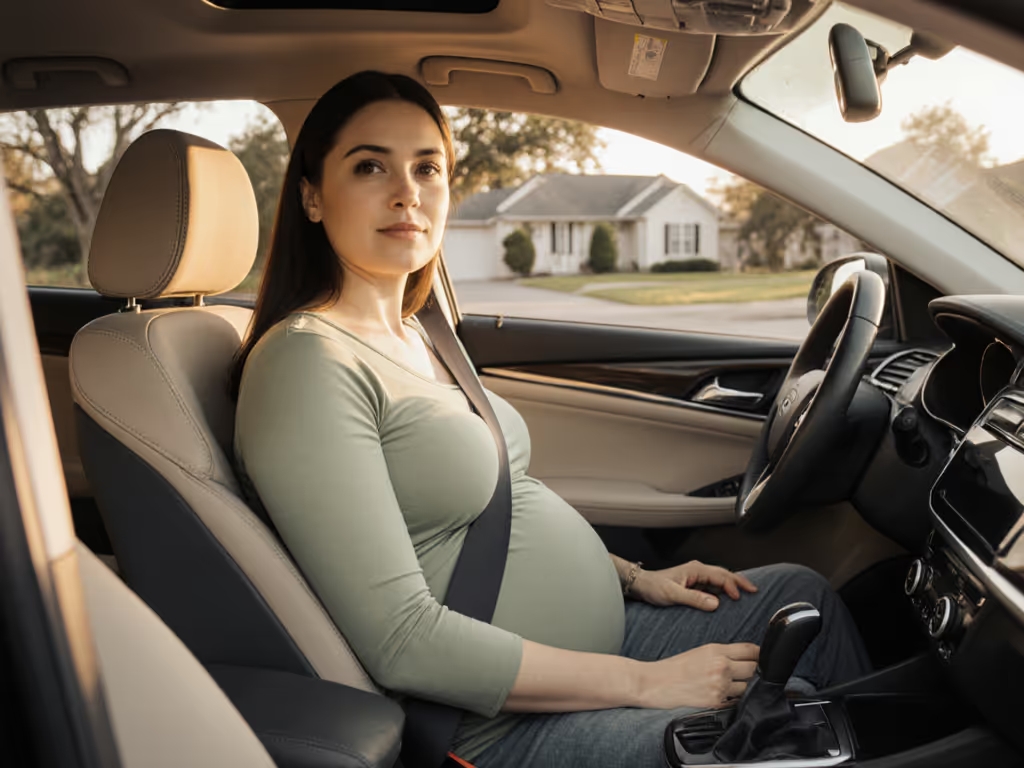
As an expert in growth modeling and vehicle safety geometry, I've analyzed how proper car seat safety during pregnancy directly impacts long-term child safety planning. The same engineering principles that guide harness height and shell depth for children apply to pregnant driver car safety (it's all about honest geometry meeting biomechanical reality). If you're new to these terms, see our convertible car seat overview for how harness height and shell depth influence long-term safety. When you position your seat belt correctly now, you're not just protecting yourself today; you're setting the stage for years of safe travel with your child.
Why Seat Belt Positioning Matters More Than You Think
Longevity lives in harness height, shell depth, and honest geometry.
During pregnancy, your body's center of gravity shifts forward, fundamentally altering crash dynamics. That lap belt riding too high on your belly isn't just uncomfortable, it directs crash forces toward your uterus instead of your pelvis's strong bones. Independent research confirms that proper seat belt positioning reduces fetal death risk by 50% compared to improper use.
What does "proper" mean exactly? Your lap belt must sit low across your hips, not your abdomen. This ensures crash forces travel through your pelvis (the body's strongest impact-absorbing structure) rather than compressing your uterus against the steering wheel. Meanwhile, the shoulder belt should cross between your breasts and rest on your collarbone, never behind your back or under your arm.

The Biomechanics Behind "Below Belly" Positioning
My background in growth modeling reveals why this positioning is non-negotiable:
- Pelvic geometry: Your hip bones create a protective cradle that absorbs and distributes crash forces
- Fetal protection: When the lap belt rests on your pelvis, your uterus moves with your body during impact rather than being compressed
- Shoulder belt tension: Proper chest placement prevents "submarining" (sliding under the lap belt)
A 2008 study of real-world crashes found moms who wore both shoulder and lap belts properly were 4.5 times more likely to have acceptable fetal outcomes than unbelted mothers. This isn't theoretical; it is biomechanical reality confirmed by crash test data.
Adjusting Your Entire Seating Position
Effective pregnancy car safety tips extend beyond just the belt:
Optimal Seat Positioning
- Distance from steering wheel: Maintain at least 10 inches between your breastbone and the airbag cover
- Seat recline: Adjust to 45 to 60 degrees to create more space between your belly and steering wheel
- Seat height: Maximize visibility while keeping your feet comfortably on the pedals
Airbag Considerations
Never disable your airbag. Modern airbags are designed to work with your seat belt, not against it. The Volvo Car Safety Center confirms that "nobody has found a better solution" than the three-point belt combined with airbags. Disabling either system introduces dangerous slack that increases injury risk by 25 to 40 percent according to NHTSA data.
What the Data Tells Us About Proper Belt Use
Percentile-aware charts from crash studies show clear cause-effect relationships:
- 80% of pregnant drivers wear seat belts improperly at some point during pregnancy
- Raising the seat belt height adjuster improves shoulder belt positioning for 73% of women in third trimester
- Proper positioning reduces risk of placental abruption by 62% compared to lap-belt-only usage
These aren't minor improvements, they represent the difference between acceptable fetal outcomes and severe complications. When I modeled my nephew's growth trajectory from infant to preschooler, I realized the same precision matters during pregnancy: small geometry adjustments today prevent major safety compromises tomorrow.
Planning for Your Child's Car Seat Journey
Your pregnancy safety practices directly inform your child's long-term safety strategy. As you prepare for your newborn's arrival:
Critical Car Seat Planning Steps
- Install early: Have your car seat installed at least 3 weeks before your due date
- Test positioning: Ensure proper rear-facing angle (typically 30-45 degrees) for newborns
- Verify compatibility: Not all seats fit all vehicles, so measure your back seat depth before purchasing For step-by-step vehicle-specific tips, use our vehicle-specific installation guide.
Long-Term Safety Strategy
The most pragmatic parents apply the same analytical approach to child passenger safety that they use for proper seating position when pregnant. Look for seats that prioritize:
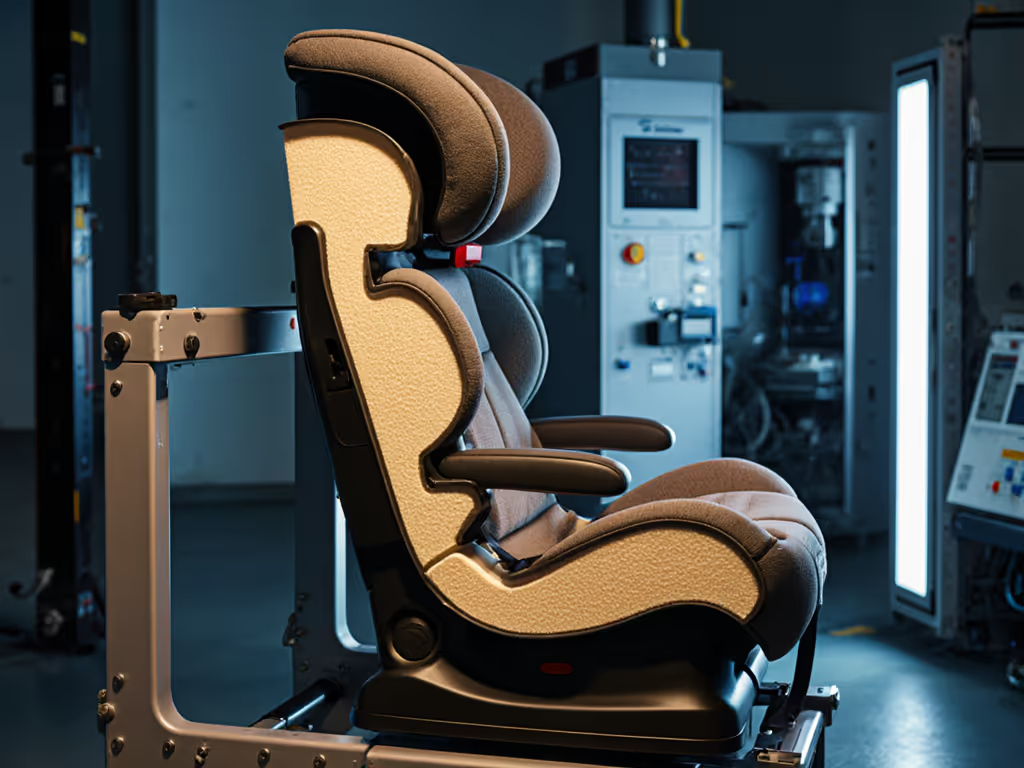
- Harness height: Must accommodate rear-facing growth to at least 40 inches
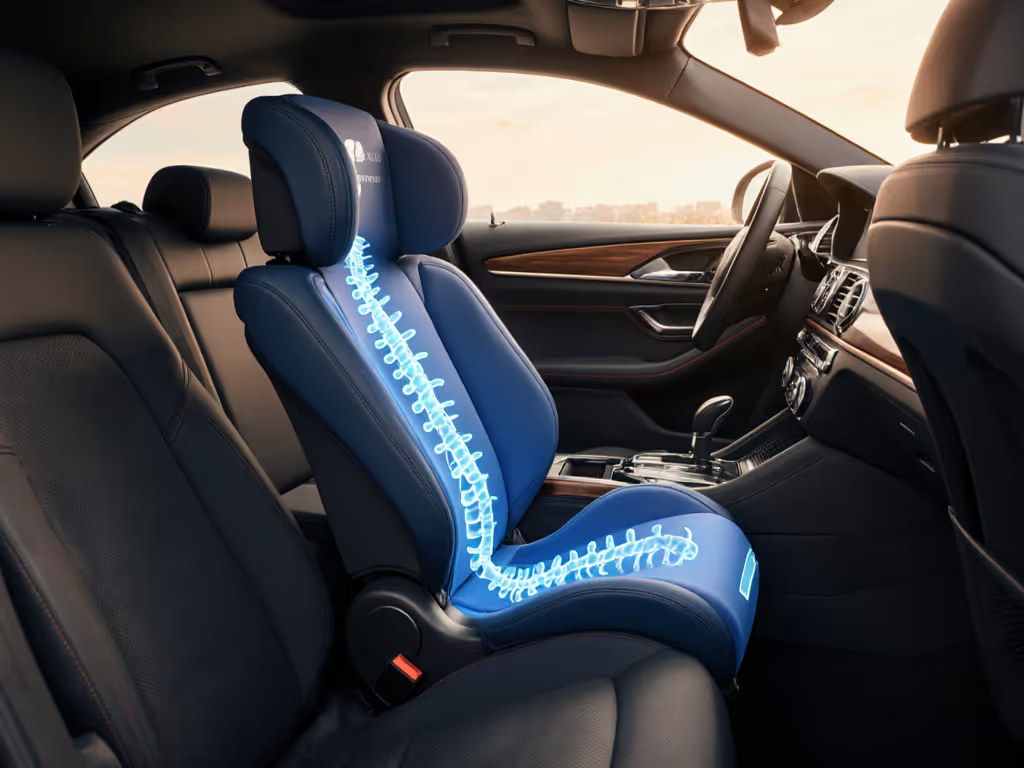
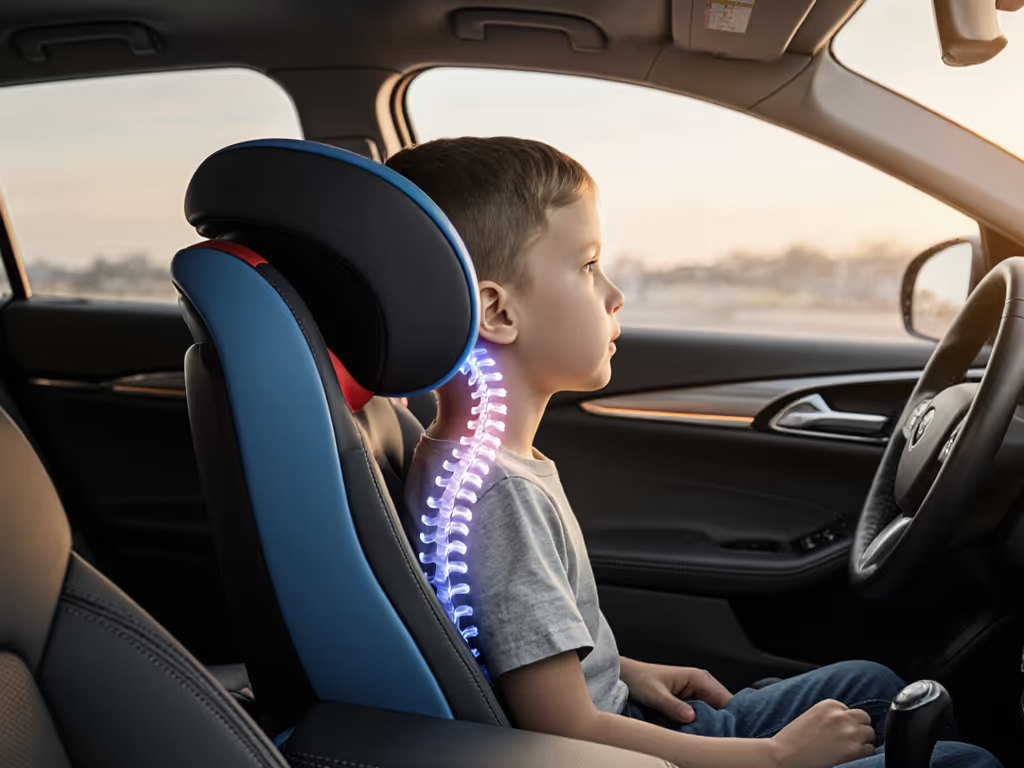
- Shell depth: Should support your child's torso through multiple growth spurts
- Clear upgrade thresholds: No guesswork about when to transition between modes
I've seen too many parents replace seats prematurely because they ignored geometry in favor of marketing timelines. Remember: longevity is engineered, not promised. When you select a convertible seat with proper harness geometry, you create scenario matrices for multi-vehicle households that actually work in the real world.
Preparing for Postpartum Realities
Your focus on seat belt positioning while pregnant connects directly to your child's safety journey. The American Academy of Pediatrics recommends:
- Keep children rear-facing until at least age 2, or until they reach the seat's height/weight limits
- Never place children in the front seat until age 13
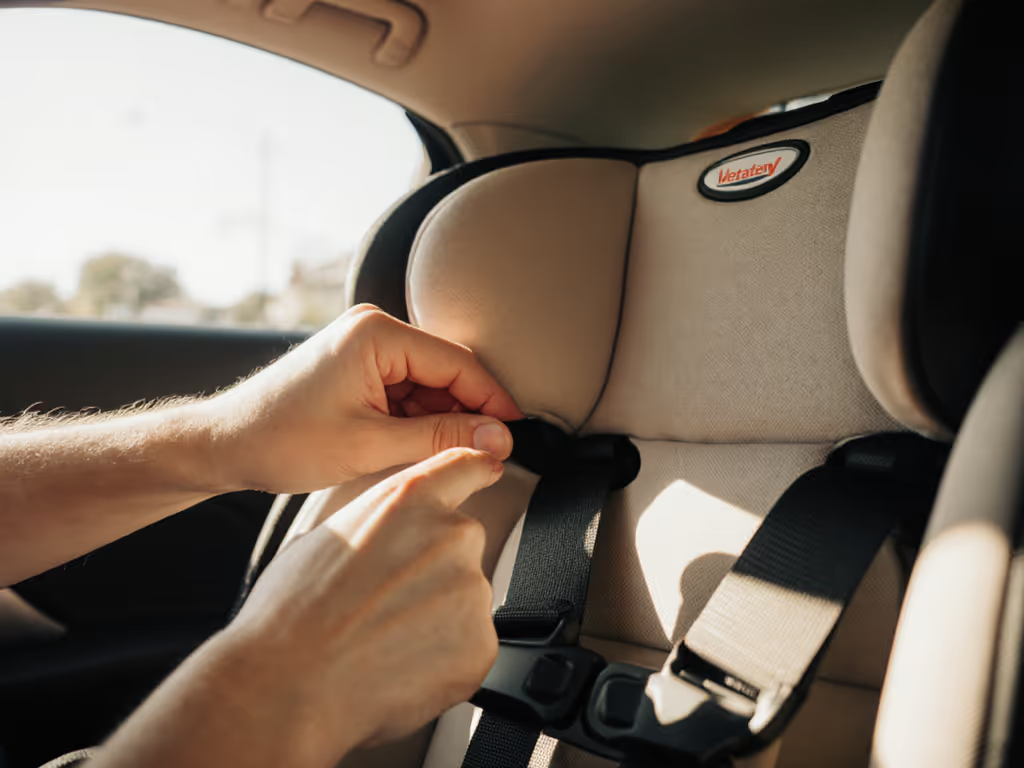
- Always use the top tether for forward-facing seats For the "why" behind this, see our extended rear-facing science guide.

Sweet'N Low Sweetener Packets
Convenient, low-calorie sweetness for your coffee and tea, anytime, anywhere.
$9.96
Quantity400 Packets
Quantity400 Packets
Pros
Great value; enhances coffee/tea without added sugar.
Convenient for home, office, and on-the-go use.
Dispenser box for easy access.
Cons
Packets are not granulated; may clump.
Customers find the sugar substitute good value for money and appreciate its taste, noting it's better than regular sugar and works well in coffee and tea.
Customers find the sugar substitute good value for money and appreciate its taste, noting it's better than regular sugar and works well in coffee and tea.
Most convertible seats can safely accommodate children rear-facing up to 40 to 50 pounds, but check your specific model's limits. The best seats provide clear measurement guides (not just age recommendations) so you can make data-driven decisions. When your child outgrows the harness, don't rush to boosters; premature transitions increase injury risk by 45% according to crash statistics.
Future-Proof Your Safety Strategy
As you navigate car seat safety for expectant mothers, remember that today's decisions impact years of family travel. Just as proper seat belt positioning requires precise geometry during pregnancy, your child's safety demands thoughtful long-range planning:
- Select seats with measurable growth parameters, not just "up to age 4" claims
- Verify compatibility with all vehicles in your rotation
- Document your child's measurements against seat specifications
The most effective safety strategy isn't about buying the newest model, it's about buy once, use for years through intelligent geometry selection. When you focus on honest limits rather than marketing promises, you create a safety foundation that supports your family through every growth stage.
Further Exploration Resources
- Access the American College of Obstetricians' detailed guidelines on driving during pregnancy
- Consult a certified CPST (Child Passenger Safety Technician) for personalized vehicle assessments
Your attention to detail today creates safety dividends for years to come. The same analytical rigor you apply to pregnant driver car safety will serve you well when selecting your child's first car seat, where geometry, not gimmicks, determines true longevity.
Related Articles