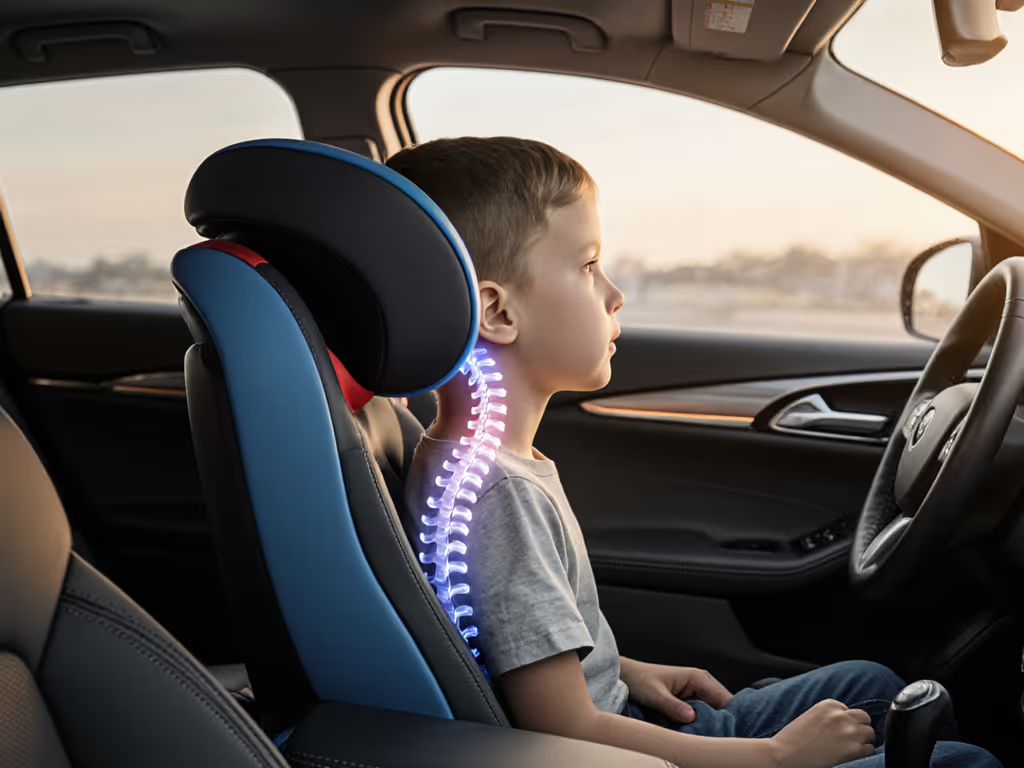
Car Seat Anxiety Solutions: Child Psychology Strategies
By Nandita Rao • 6th Dec
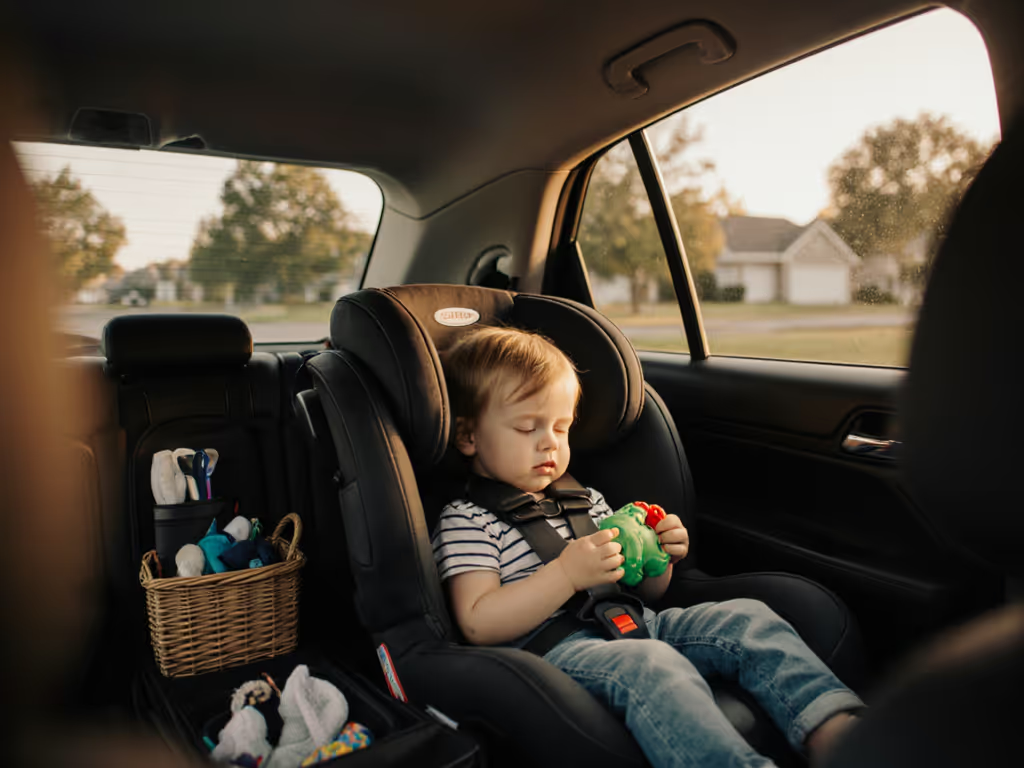
If your child screams at the sight of the car seat or fights every buckle-up, you're not alone. Millions of parents struggle with car seat anxiety solutions that feel sustainable, not just quick fixes. Understanding the child car ride psychology behind these reactions is the first step toward creating calm rides you can count on. This isn't about forcing compliance. It's about building trust through repeatable routines that transform car time from dread to delight.
Why Car Seats Trigger Anxiety (It's Not Oppositional)
Children aren't "being difficult" when they resist car seats, there is usually a rational reason beneath the tears. My work with caregivers has taught me that every meltdown has a message. When a child clings to your leg while you reach for the straps, they're often communicating one of three core concerns:
-
"I can't see you" - Separation anxiety peaks between 8-18 months when babies realize caregivers can disappear. Rear-facing seats put them in "out of sight, out of mind" limbo.
-
"This feels wrong" - Sensory issues like scratchy harness straps, overwhelming road noise, or tight compression can make seats feel physically threatening; consider sensory-friendly car seats to reduce those triggers.
-
"I don't know what's happening" - Lack of predictability turns routine trips into unsettling mysteries for neurodivergent children and toddlers alike.
A recent study published in the Journal of Child Psychology confirms that when children feel powerless during transitions, their stress hormones spike by up to 37%, making subsequent rides exponentially harder.
What compounds this cycle? Parental stress. Children detect hesitation. They hear your tense "just hold still" command. In that library parking lot years ago, I watched a parent's white-knuckled grip on the straps make their child dig in harder. When we slowed down, took three breaths, and treated installation like a game, not a battle, the dynamic shifted completely.
Four Evidence-Based Car Seat Anxiety Solutions
1. Create Positive Car Seat Associations Before Ignition
Behavioral strategy: Pair the seat with enjoyable activities when the car is stationary.
- Practice the "Happy Seat" ritual: 5 minutes daily, let your child sit buckled in the parked car with a special toy only used there. Read books, sing songs, or pretend it's a spaceship.
- Add sensory anchors: A soft blanket that smells like home or a chewable strap cover (like the Adenzai Plush for gentle oral input) creates familiarity. For more comfort add-ons that can ease transitions, see our essential car seat accessories guide.
- Celebrate micro-wins: "Wow! You touched the buckle all by yourself - high five!" reinforces autonomy.
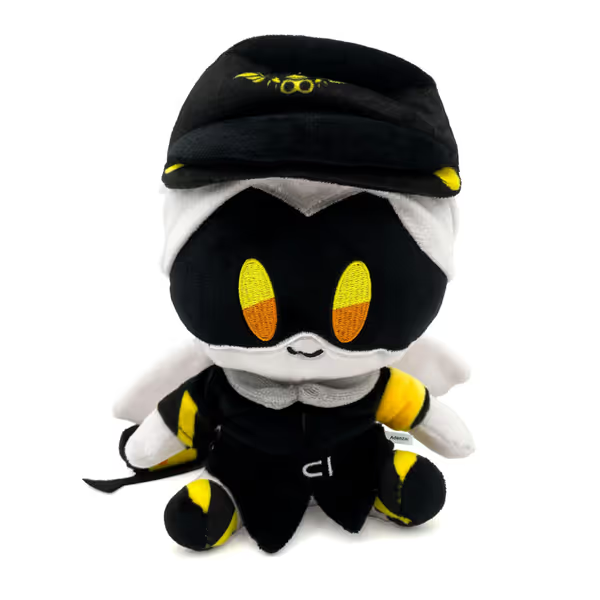
Adenzai Cartoon Plush Doll
Collectible, soft plush inspired by popular cartoons, perfect for fans and gifts.
$25.99
MaterialHigh-Quality Fabric
MaterialHigh-Quality Fabric
Pros
Adorable, vibrant, detailed designs for collectors
Soft, cuddly material for all ages
Compact size makes it a great travel companion
Cons
Mixed feedback on build quality and size
Customers find the plush toy cute and soft, with one noting its amazing detail. The build quality and size receive mixed feedback, with some saying it's well made while others find it poorly made, and some consider the size perfect while others say it's smaller than expected. The quality and value for money also get mixed reviews, with some finding it good while others report poor quality, and one customer noting it's not worth $25.
Customers find the plush toy cute and soft, with one noting its amazing detail. The build quality and size receive mixed feedback, with some saying it's well made while others find it poorly made, and some consider the size perfect while others say it's smaller than expected. The quality and value for money also get mixed reviews, with some finding it good while others report poor quality, and one customer noting it's not worth $25.
2. Build Predictability Through Visual Cues
Behavioral strategy: Combat the "what's happening?" panic with concrete expectations.
Neurodivergent children especially thrive on predictability. Try these adaptations:
-
The 3-Step Visual Countdown:
- Show photo of car
- Show photo of buckle
- Show photo of destination
-
Social Story Script: "First we buckle. Then we sing 'Wheels on the Bus.' When the song ends, we're at Grandma's!"
-
Timer Technique: Use a visual timer set to "seat time" so they see the countdown to freedom.
I always tell caregivers: consistency trumps perfection. Doing the same steps in the same order, even if imperfectly, builds the trust that eventually quiets anxiety. Families of neurodivergent children often find autism-friendly car seats with smoother harnesses or rotation reduce anxiety at buckle time.
3. Master the 60-Second Calm Transfer
Behavioral strategy: Transform the buckle-up moment from confrontation to connection.
Most parents approach the car seat like a wrestling match, reaching for straps while a child braces. Flip the script with this sequence:
- Pause - Take your own deep breath before touching the seat
- Connect - Get eye level: "I see you're nervous. Let's practice together!"
- Guide - Place their hand on the buckle: "Your job is to push this red button"
- Praise - "You did it! Now I'll do my job: checking straps"
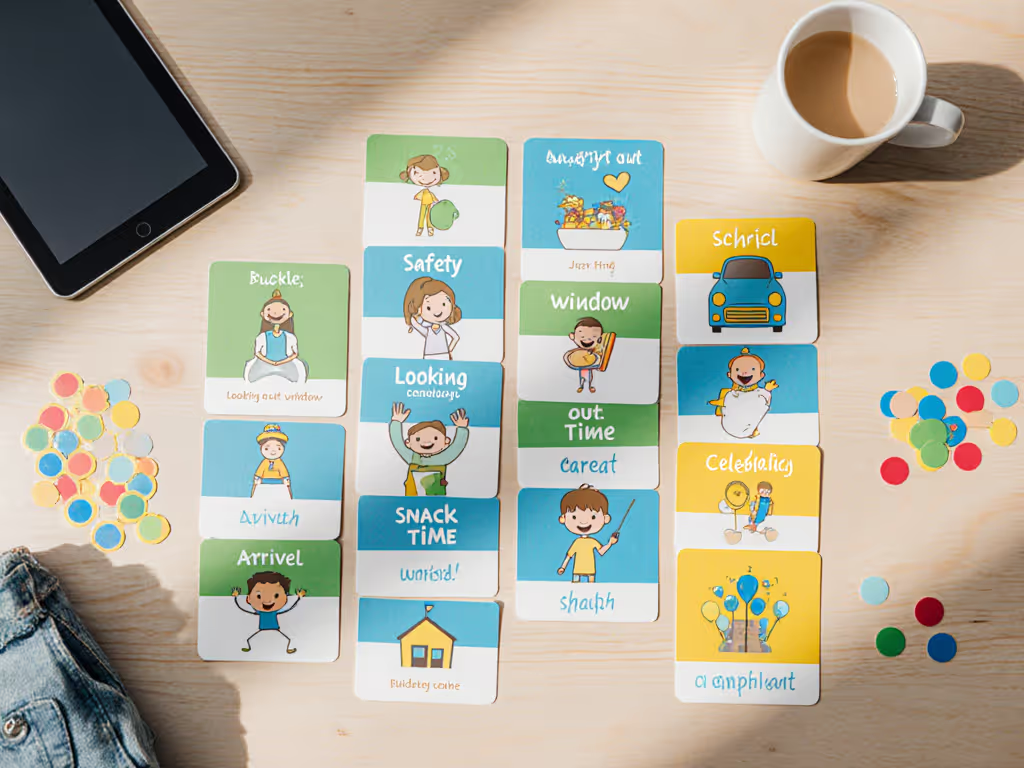
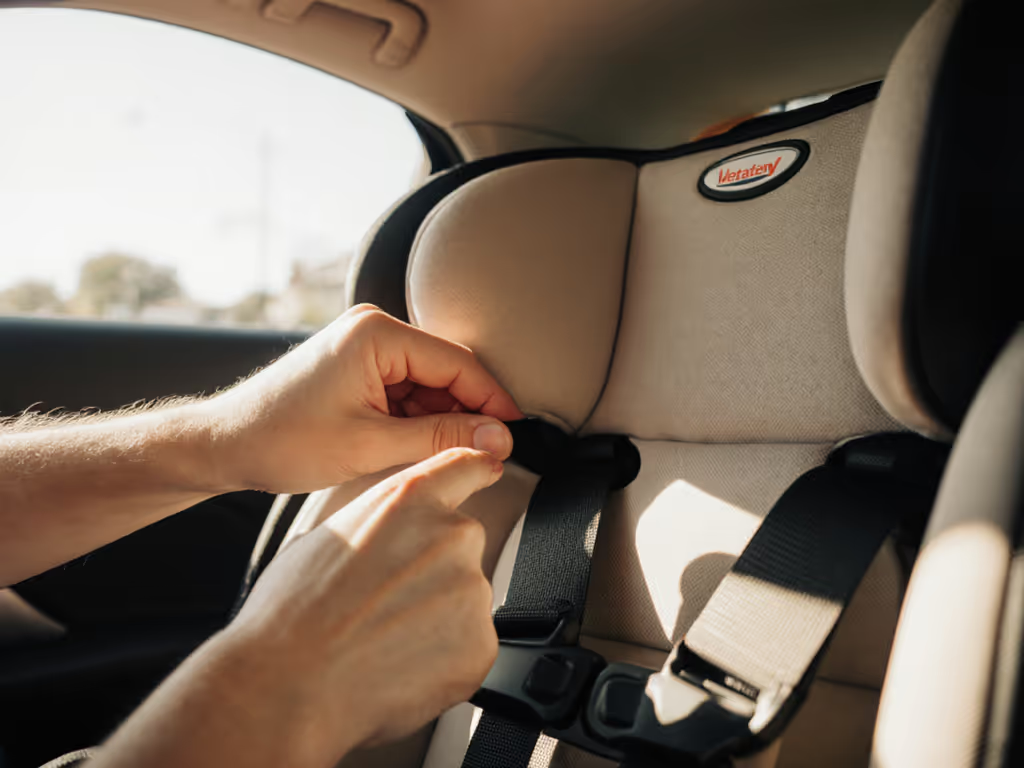
Safety check: squeeze harness straps at shoulders, no slack means no pinch. verify chest clip at armpit height. confirm no twisted webbing. These aren't just technical steps, they're trust-building moments. For step-by-step setup, follow our vehicle-tuned installation guide to build confidence.
4. Address Your Own Anxiety First
Behavioral strategy: Your calm is their calm. You're the co-regulator.
When we're stressed, children mirror our physiology. Before starting the car:
- Anchor yourself with two slow breaths
- Set intention aloud: "Today we'll focus on seeing yellow cars"
- Release urgency by arriving 10 minutes early to remove time pressure
"Confidence is repeatable installs, snug harness checks, and simple routines." I've seen this shift transform car time completely.
Taking Your First Step Toward Calm Rides
Start tonight: Bring the car seat inside. Let your child play in it while watching their favorite show. Add one special item (like a crinkly-textured plush toy). If temperature comfort is a trigger, see our summer heat safety guide to prevent overheating without adding bulky layers. Praise any interaction, no matter how small. This builds neural pathways associating the seat with safety, not stress.
Tomorrow, practice the 60-second transfer sequence three times before a real trip. Notice where resistance surfaces. Adjust, not abandon, the routine based on what you learn. Track progress with a simple sticker chart: three calm buckles earns a "park stop."
Progress isn't linear. Some days will feel like setbacks. But each repeated positive experience builds the confidence that carries you through tough moments. When frustration rises, remember to breathe, then buckle, both for you and your child. That single pause changes everything.
Next week, add one predictable element to your ride (like a specific song sequence). Within 30 days, you'll have a personalized routine that works for your child's unique needs, no more guessing, no more dread. The journey to calm car rides begins with just one repeatable step.
Related Articles