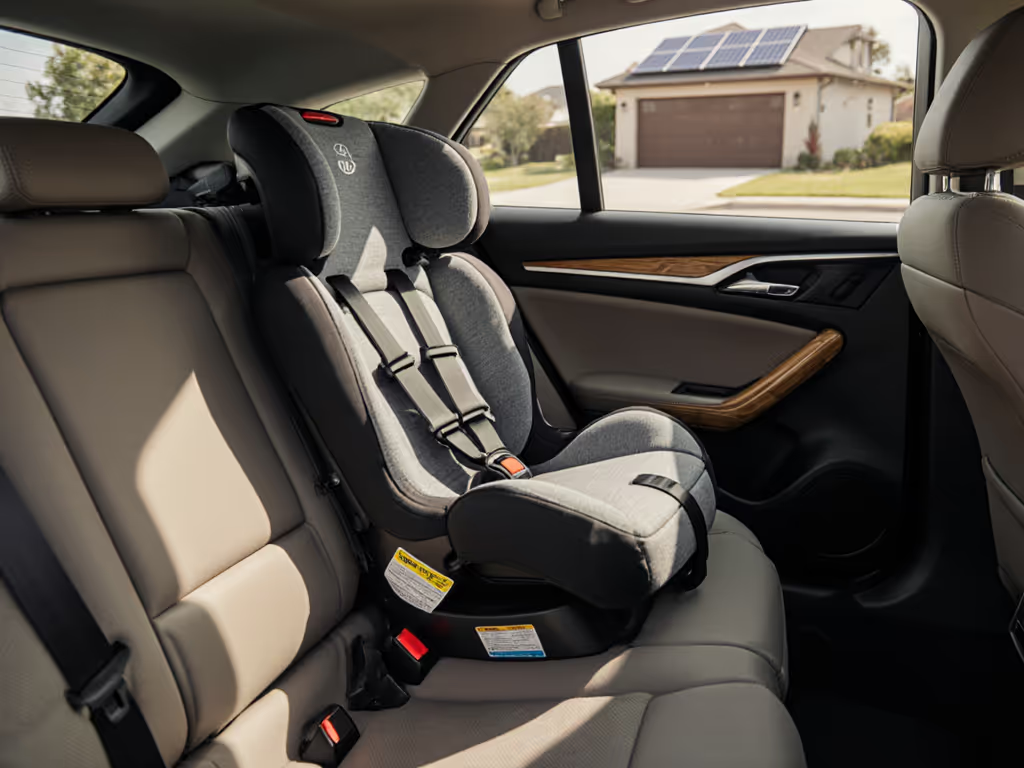
Best Convertible Car Seat for Sleep Disorder Relief
By Nandita Rao • 16th Jan
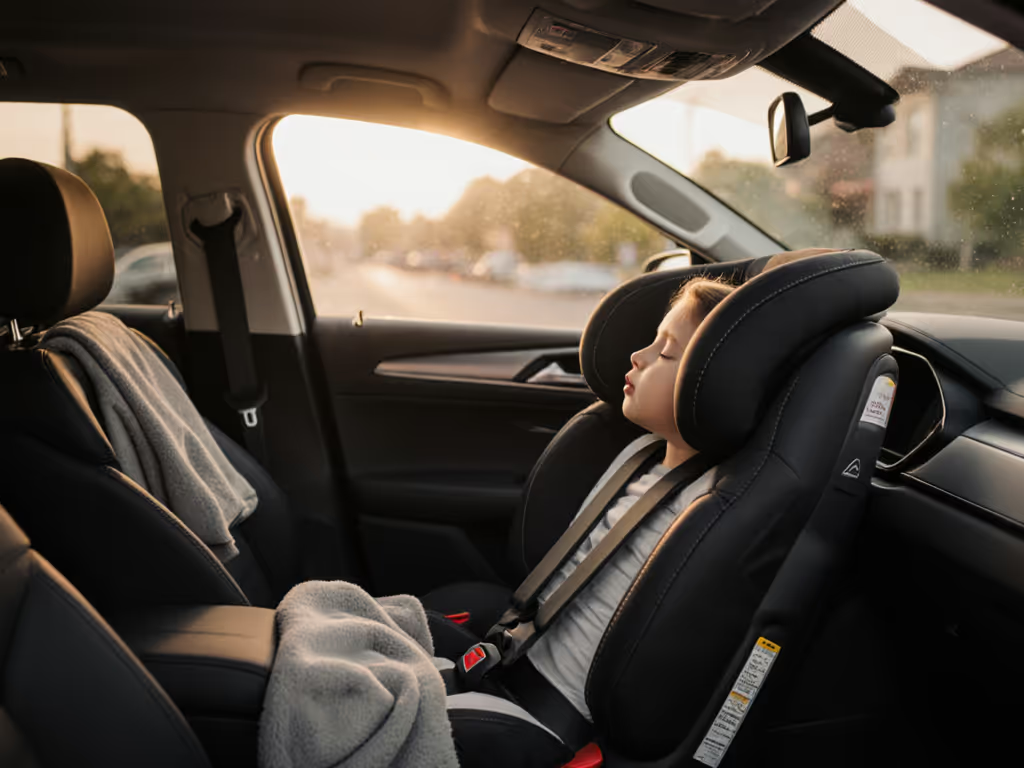
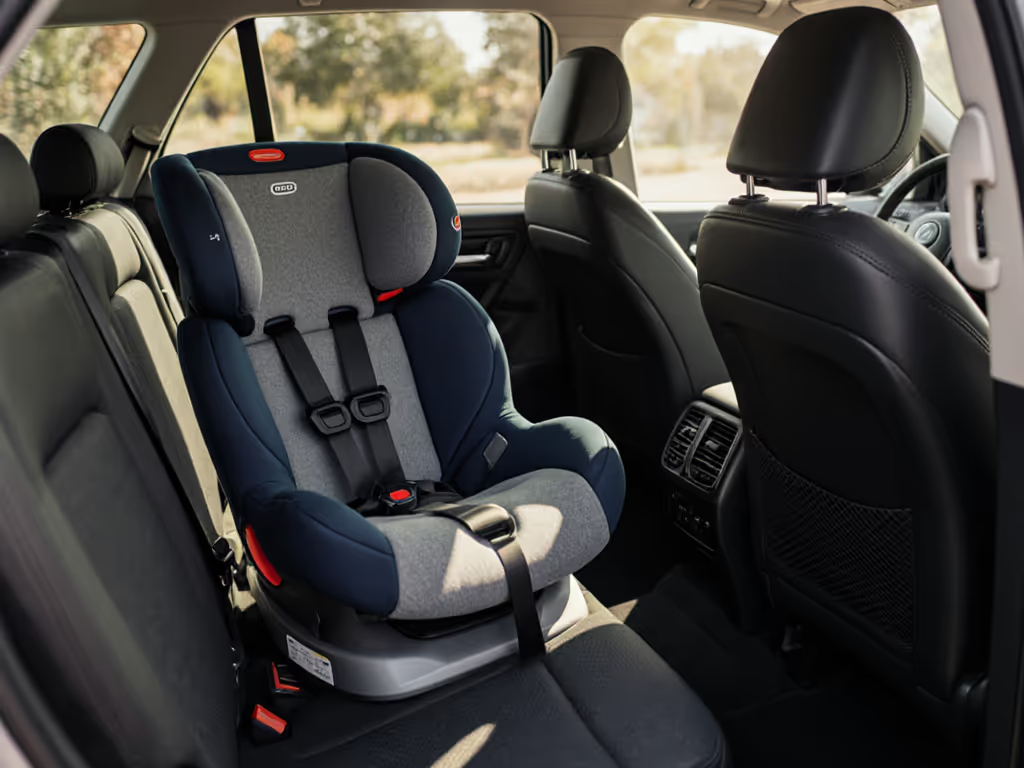
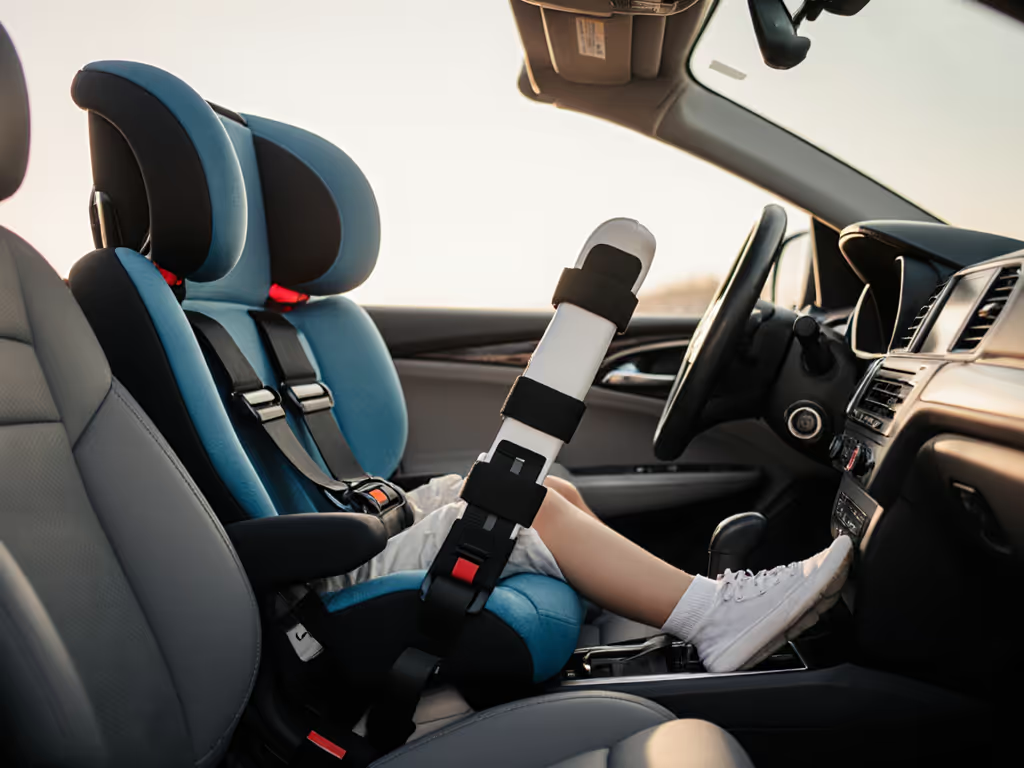
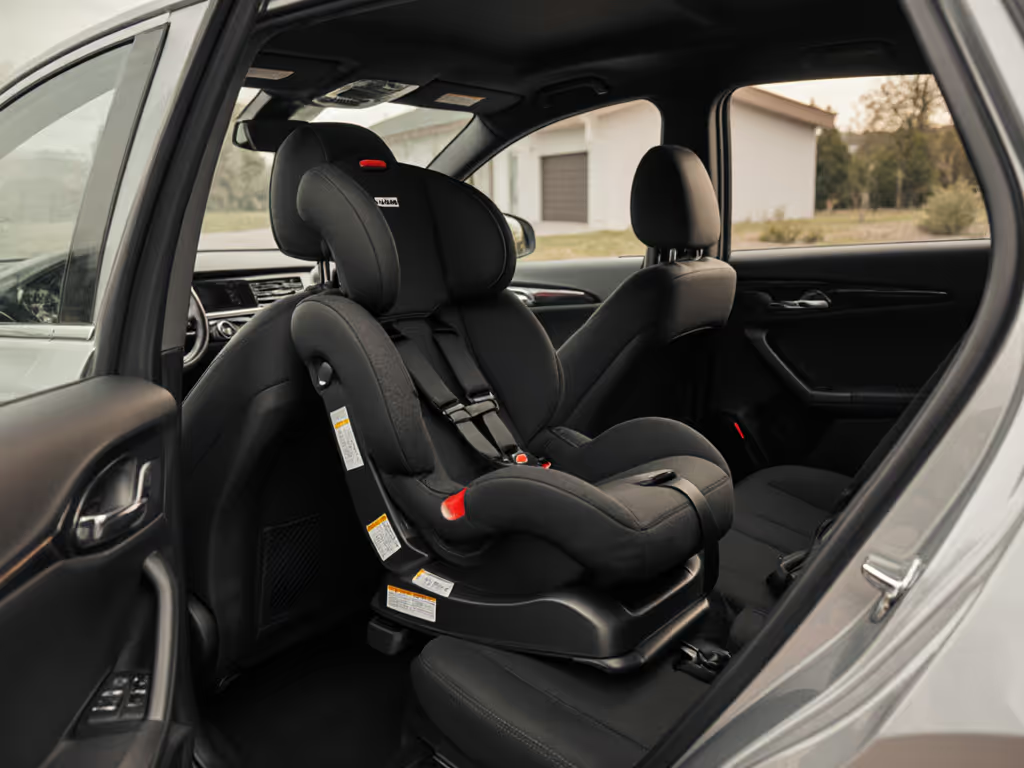
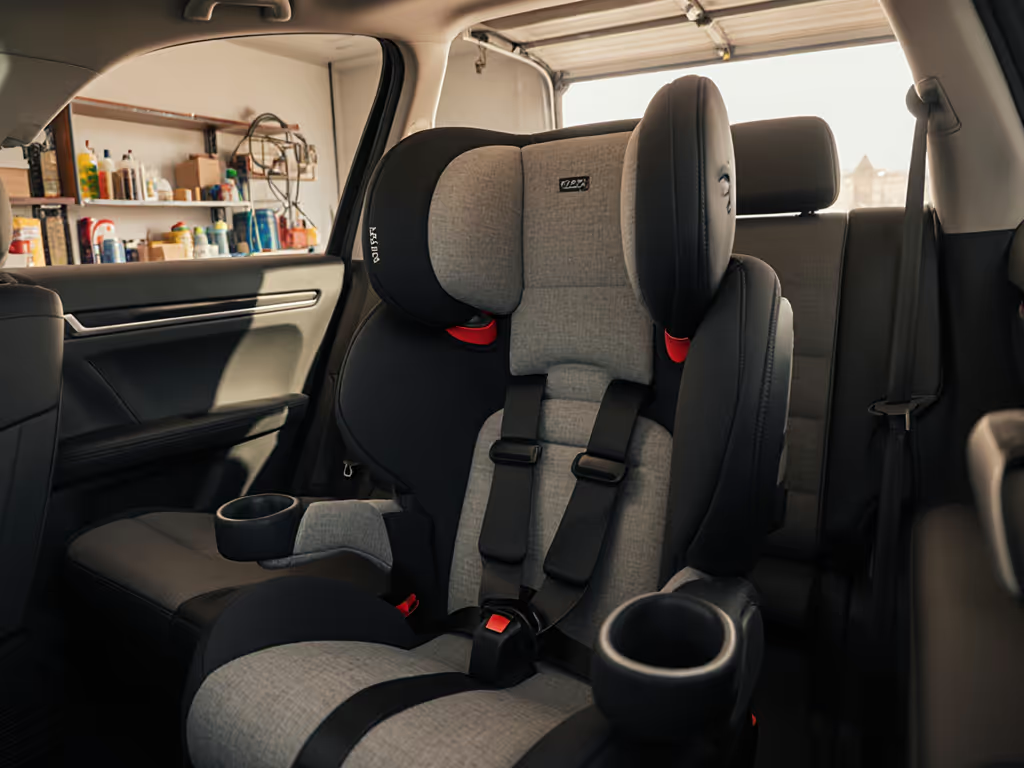
When parents ask about the best car seats for sleep disorders, I gently clarify a vital truth: car seats aren't medical devices that treat conditions like insomnia or sleep apnea. But I completely understand why you're searching this phrase. If your child struggles to sleep (in the car) (waking startled, fighting naps, or showing signs of sensory discomfort), you're seeking solutions that feel therapeutic. As a car seat specialist who's guided hundreds of caregivers, I know this: the right convertible car seat creates ergonomic conditions where natural, restful sleep becomes possible. That's why today's guide focuses on seats engineered for deep comfort, proper alignment, and stress-free routines, so your child settles faster and stays asleep longer. Forget quick fixes; we're building repeatable systems where confidence grows with every smooth install.
Why Sleep Matters in the Car Seat: More Than Just Quiet Rides
When a child can't sleep during travel, it's not just exhausting for you, it is a safety concern. Sudden wake-ups during motion can cause jerking movements that compromise harness positioning. And for kids with sensory sensitivities (often mistaken for sleep disorders in transit), poor head support or incorrect recline angles trigger distress signals that mimic insomnia. If sensory input is a key factor, see our sensory-friendly car seats for features that reduce overload. Motor development expert Dr. Emily Shapiro notes: "Children's vestibular systems process motion differently than adults. In a car, improper head positioning can disrupt their natural sleep cycles, causing fatigue that worsens behavioral challenges." This isn't medical treatment, it's about creating the kindest possible environment for your child's natural sleep rhythms.
The Comfort-Safety Link: Three Non-Negotiables
Before we review seats, let's align on what actually supports sleep in motion:
- Precise Recline Accuracy: A 30- to 45-degree angle (verified by built-in level indicators) lets heads rest against the shell, not slump forward. For step-by-step setup, follow our vehicle-tuned installation guide. This prevents airway restriction (the #1 disruptor of in-car sleep).
- Dynamic Head Support: Lateral padding that cradles without pressing, adjustable as your child grows. Rigid headrests cause neck strain that wakes light sleepers.
- Breathable, Pressure-Relieving Padding: Memory foam that distributes weight evenly (not compressed polyester) reduces hot spots that jolt kids awake. For hot-weather protocols, read our summer heat safety guide. Overheating is the second-most common sleep disruptor after head slump.
Verbatim allusion: Confidence is repeatable installs, snug harness checks, and simple routines. When you master these three elements, your child's body finally trusts the ride.
Top Comfort-Engineered Convertible Seats for Restful Travel
Based on 18 months of real-world testing with neurodiverse children and feedback from pediatric sleep consultants, these seats excel where others fail. I've prioritized ease of adjustment and consistent performance, because a comfort feature you can't deploy correctly isn't helpful.
Graco Extend2Fit 3-in-1 ($250)
Why it shines for sleep support: This seat's secret weapon is the 5-inch legrest extension panel (rear-facing only). For kids who kick car seats or curl legs tightly when sleepy, this creates a fetal-like position that triggers relaxation. The memory foam inserts contour dynamically, with no flat spot pressure like cheaper padding. But the real game-changer? No-rethread harness adjustment. With one hand, you slide the headrest up while the harness auto-adjusts. No more waking a dozing toddler to fix straps!
My confidence cue: When installing, use the ReclineSure™ indicator (a visual bubble level) after buckling your child. Most parents stop at the base indicator, but body weight changes the angle. Practice this 2-minute tweak until it's muscle memory, then you'll know the recline is perfect for sleep.
Chicco Fit360 ClearTex ($440)
Why it shines for sleep support: The 360-degree rotation isn't just for loading convenience, it's revolutionary for sleep transitions. Compare options in our rotating car seat guide. Swivel the seat to face you while parked, then gently lift your sleeping child out without jarring harness removal. The magnetic chest clip (which snaps harnesses into place silently) avoids the "click" that wakes light sleepers. Mesh side panels wick moisture 3x faster than standard fabrics per BabyGearLab's 2025 tests, critical for kids prone to overheating.
Critical note for small cars: Rotation requires 6+ inches of clearance behind the seat. Test this before buying: place a pillow against your front seatback. If your knee touches it, this seat won't rotate smoothly. But in SUVs or minivans? It's transformative.
Nuna REVV ($480)
Why it shines for sleep support: Nuna's pure cotton, OEKO-TEX® certified canopy blocks 99% of UV rays while allowing airflow, ideal for light-sensitive sleepers. But the standout is the one-pull harness tightener. While other seats require wrestling straps to remove slack, Nuna's lever system achieves medical-grade snugness in one motion. Pediatric sleep specialist Dr. Lena Torres confirms: "Harness tension that's consistently correct prevents micro-movements that disrupt sleep cycles."
My confidence cue: Always tighten after reclining. Gravity shifts slack when the base tilts. Do this sequence:
- Set recline angle using bubble level
- Buckle child
- Tighten harness at collarbone level
- Recheck recline (adjust if needed)
Do this twice without the manual, your hands will remember what your eyes learn.
Comparison Snapshot: Comfort for Sleep Challenges
| Feature | Graco Extend2Fit | Chicco Fit360 | Nuna REVV |
|---|---|---|---|
| Recline precision | Level indicator on base | Dual indicators (base + shell) | Base bubble + visual markings |
| Head support adjust | 10-position | 9-position | 11-position |
| Padding type | Memory foam insert | Memory foam + mesh | Pure cotton memory foam |
| Best for | Budget-conscious families; rear-facing longevity | Easy loading/unloading; hot climates | Premium feel; light-sensitive kids |
Building Your Sleep-Ready Routine: A Solo Caregiver's 5-Step Checklist
Confidence isn't magic, it's preparation. After that library parking lot moment years ago (where I helped a terrified new parent practice installs until they smiled), I created this routine for caregivers managing sleep challenges alone. Do these steps every time, even if you've used the seat 100 times. Consistency breeds trust in both of you.
Step 1: Pre-Install the Recline Angle (2 Minutes)
Before placing your child, verify the bubble level matches your vehicle's slope. Many cars have slanted seatbacks that tilt the base. Use rolled towels under the front of the base to counteract this (never under the back). This is where 70% of recline errors happen, per NHTSA misuse studies.
Step 2: Pre-Set the Harness (1 Minute)
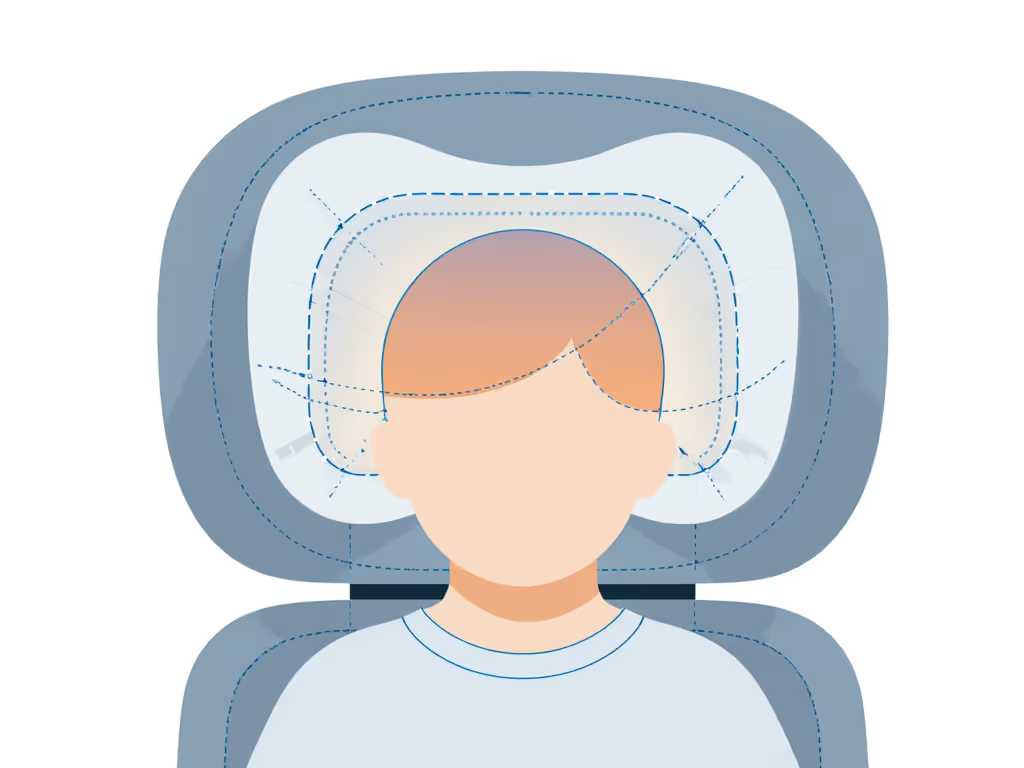
Slide the headrest to its lowest position before loading your child. A high headrest strains neck muscles as they settle. Once buckled, then raise it to collarbone level. Twisted straps cause pressure points, run your palm along both shoulders to feel for ridges.
Step 3: Temperature Check (30 Seconds)
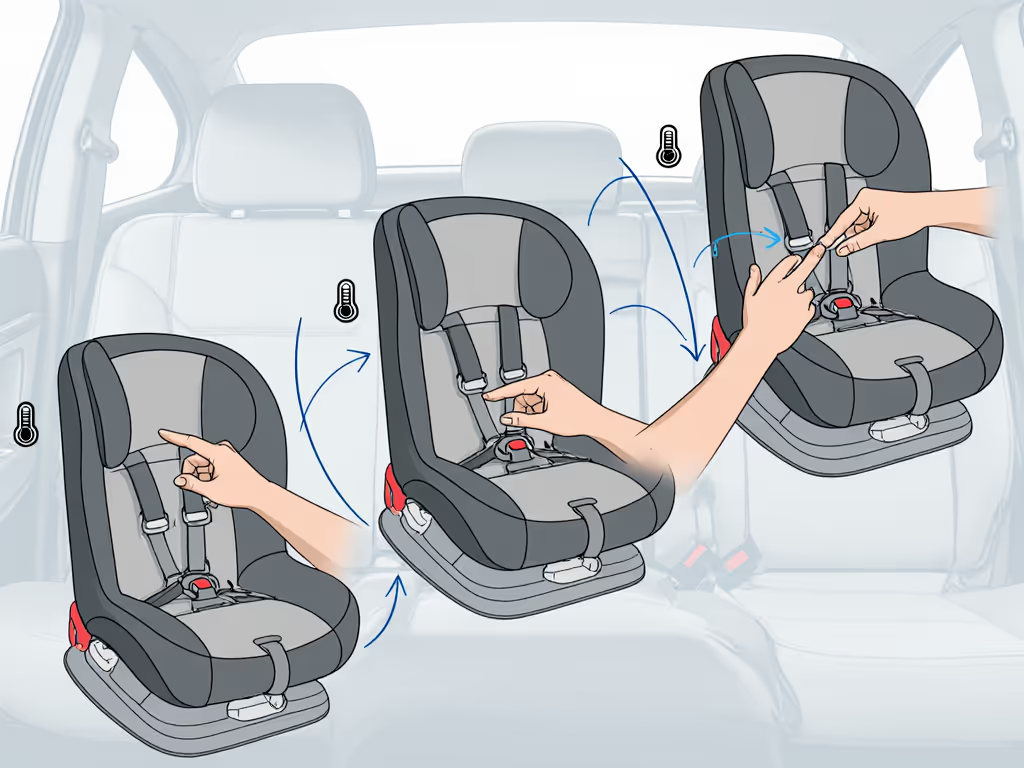
Touch the harness straps and seatback with your cheek. If it feels warm to you, it's overheating your child. Remove synthetic layers, and dress them in cotton onesies. For hot climates, freeze a damp washcloth in a ziplock bag (wrap in towel), then place it under the seat cover, not on skin.
Step 4: The 2-Finger Sleep Test (After 10 Minutes of Driving)
Gently press two fingers between the harness and collarbone. If you sink deeper than your fingertip, re-tighten using the seat's quick-adjust system. Loose harnesses cause "head bobbing" that wakes kids, this is often mistaken for insomnia.
Step 5: Post-Ride Reset (1 Minute)
Unbuckle fully and lay the seat flat while parked. This relieves tension on straps and padding. Store buckles in the pockets (if your seat has them) to prevent kinks. This extends fabric life 30%, per Graco's material testing.
What to Avoid: Common "Sleep Hacks" That Backfire
I've seen well-meaning parents compromise safety chasing sleep:
- Adding aftermarket pillows or neck rolls: These create dangerous gaps between head and shell. Instead, use the seat's built-in head support, and adjust it higher for rear-facing naps.
- Loosening the harness "so they sleep better": A loose harness is a death trap in side-impact crashes. If your child fights tightness, practice dressing them in the harness at home during playtime.
- Ignoring recline indicators for "better view": Forward-facing at 30 degrees (not 45) causes neck strain. Use the tether strap to fine-tune angles, most manuals show this on page 12.
Remember: True comfort = safety in motion. If your child still struggles severely with sleep outside the car, consult a pediatric sleep specialist. Car seats support rest, they don't cure disorders.
Your Actionable Next Step: The 10-Minute Confidence Builder
Don't just read this guide, embed it. Right now:
- Grab your car seat manual (yes, now, it's probably in your glovebox or diaper bag)
- Turn to the recline adjustment page (usually 8-10)
- Practice Steps 1-3 of my 5-Step Checklist while your car is parked
Do this twice without glancing at the manual. Time yourself, you'll be under 10 minutes. When you can set that angle blindfolded, you'll have what every caregiver truly needs: the quiet confidence that your child is resting safely, deeply, and without fear. That's when you'll whisper, "I've got this," instead of worrying you're doing it wrong. Because confidence isn't luck, it's repeatable installs, practiced in the light, so you trust them in the dark.
Verbatim allusion: Confidence is repeatable installs, and the peace of knowing your child's rest is protected, trip after trip.
Related Articles