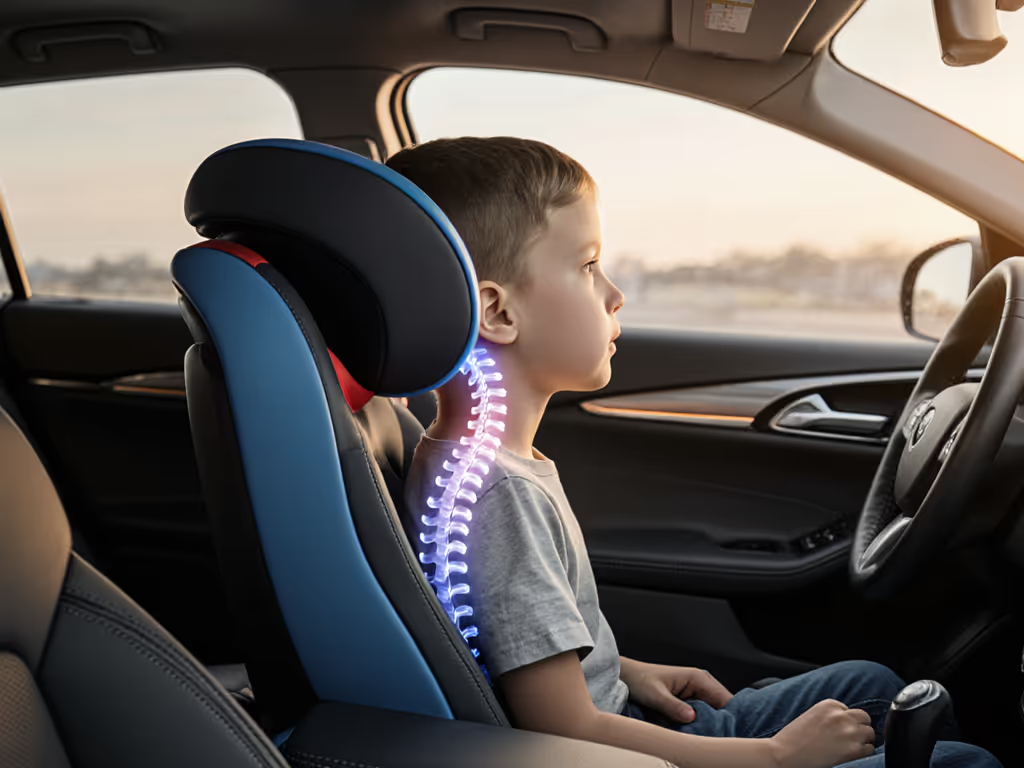
Scoliosis Car Seat Safety: Proper Spinal Alignment Guide
By Aisha Khan • 1st Jan
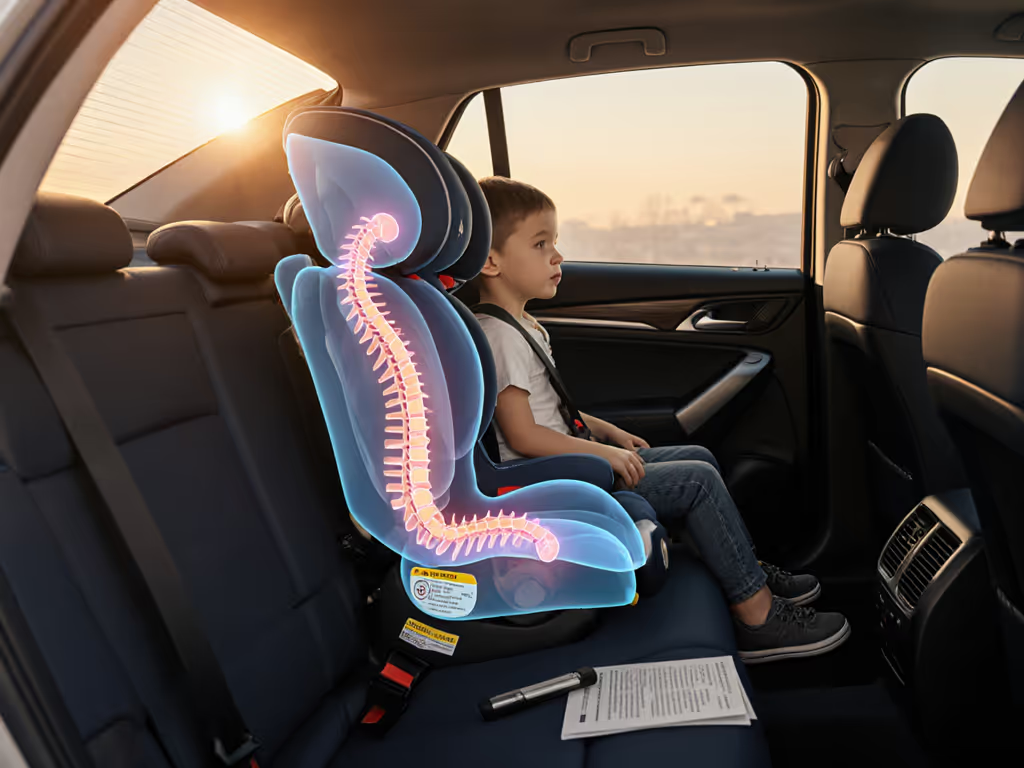
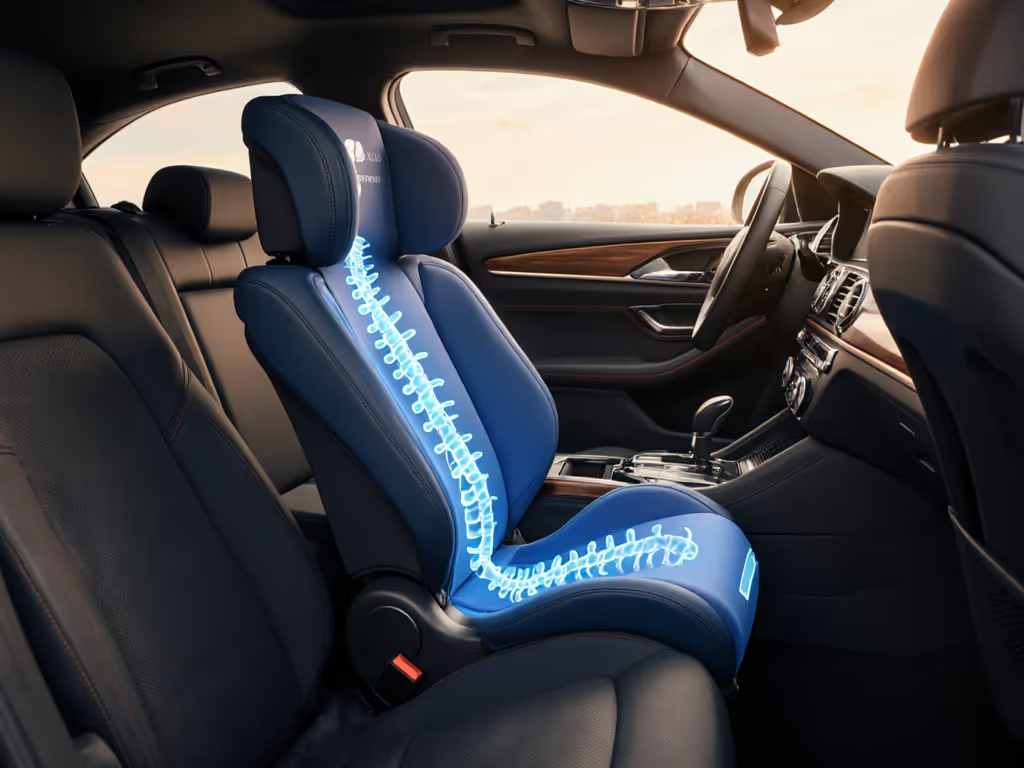
When your child has scoliosis, the standard car seat advice you find everywhere falls painfully short. Car seats for scoliosis demand precision beyond height-weight charts. A poorly positioned seat can force unnatural spinal curves during rides, turning short commutes into pain points that disrupt sleep, worsen posture, and undermine safety. That's because spinal alignment car seat selection isn't just about crash protection, it is daily spinal support. I've seen toddlers wince as they slide into seats that ignore their unique curves, only to relax when we find trims that follow their spine's rhythm. Comfort grows from breathable fabrics, quiet design, and kinder chemistry.
Why Standard Car Seats Risk Spinal Stress
Most car seats assume a straight spine, a geometry that doesn't reflect reality for 2-3% of children with scoliosis. For specialized positioning and equipment options, explore our adaptive convertible car seat solutions. Standard harnesses and rigid side wings often force the torso into uncomfortable symmetry, exacerbating pressure on convex curves. Consider this:
- Ribcage compression: High-backed boosters may dig into protruding ribs, restricting breathing during long rides
- Pelvic instability: A seat too wide for narrow hips lets the child slump sideways, straining lumbar vertebrae
- Neck strain: Standard headrests fail to cradle asymmetrical shoulder alignment, causing head drift during sleep
As Kim Family Chiropractic emphasizes, "Properly used car seats provide essential support for a child's developing spine." But when curvature exists, how support is distributed determines whether the seat stabilizes or stresses. Children with severe scoliosis often can't sit "flat against the seat" (a requirement mentioned in standard 5-point tests), yet they're forced into seats that punish natural posture. This isn't just discomfort; it's biomechanical compromise. During sudden stops, uneven harness tension could concentrate force on vulnerable spinal segments instead of dispersing it safely.
Critical Positioning Principles for Curved Spines
Forget age-based guidelines. Focus on these evidence-backed positioning goals, adapted from University of Michigan's pediatric trauma research:
1. Accommodate, Don't Correct
Never force a straight posture. As Indiana University's Automotive Safety Program states: "Children with severe scoliosis may be unable to sit properly in car seats with their backs and bottoms flat against the seat." Instead:
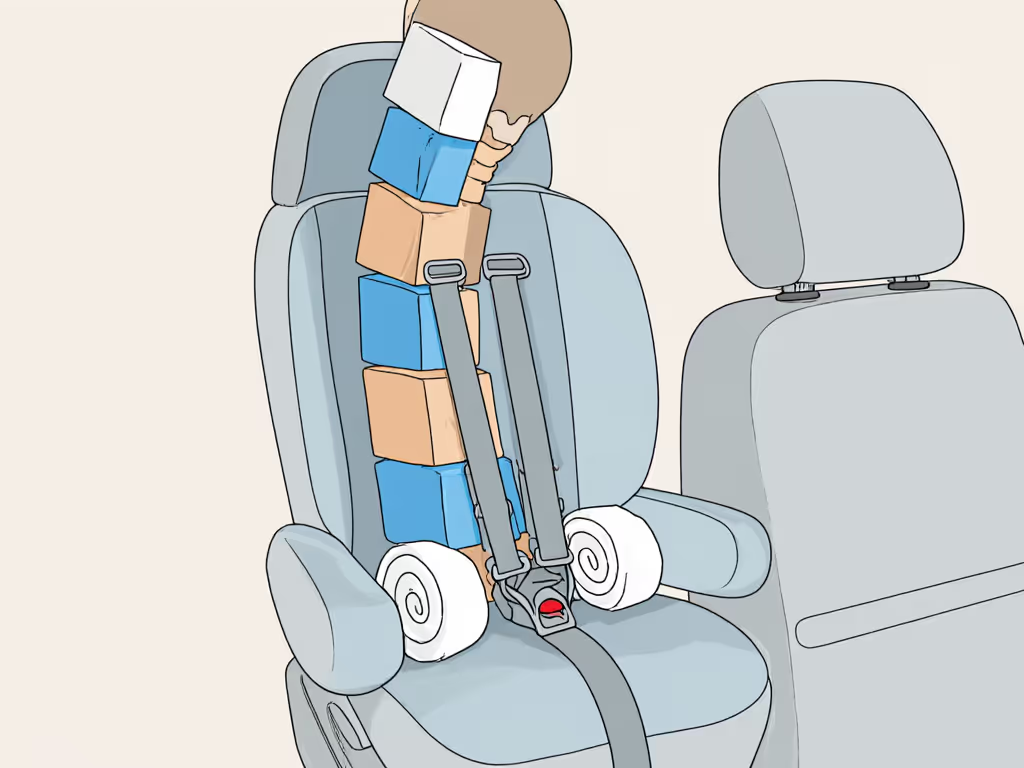
- Use towel rolls or medical-grade foam wedges along the concave side to fill space without pushing the spine straighter
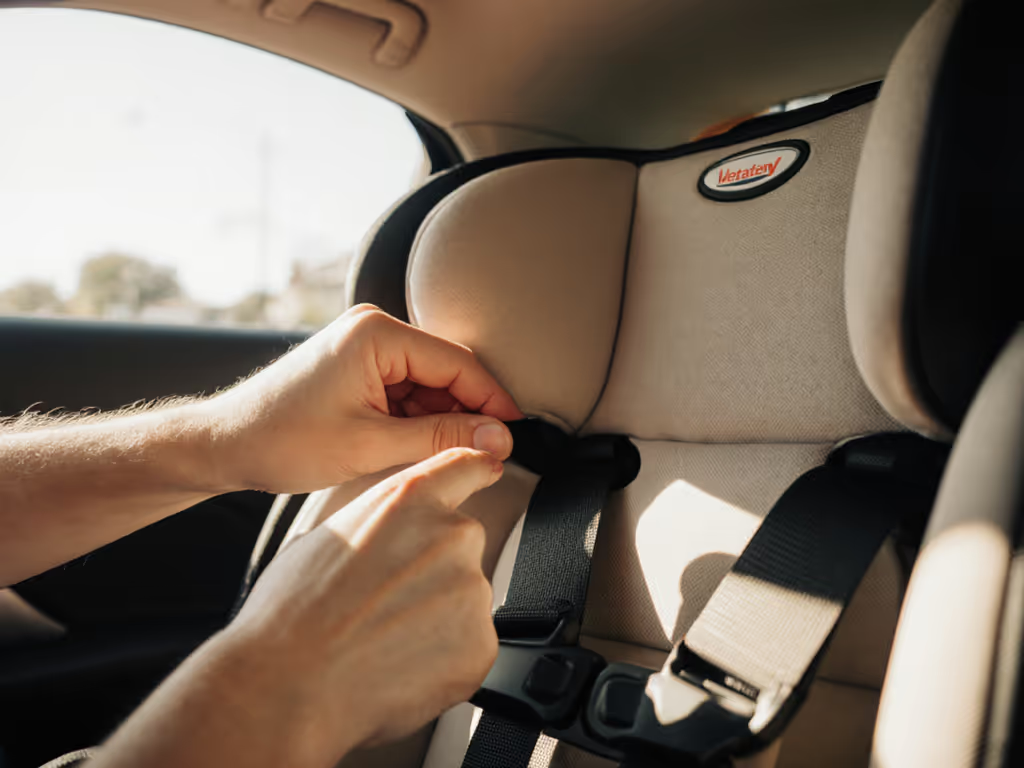
- Ensure harness straps stay flat and untwisted (no tugging toward symmetry)
- Position the chest clip level with armpits (never shifting it to "center" the torso)
2. Prioritize Pelvic Anchoring
Your child's hips are the foundation. Unstable pelvises undermine spinal safety: For installation techniques that stabilize the pelvis and maintain alignment, see our vehicle-tuned installation guide.
- Crotch buckle: Tight against thighs to prevent forward sliding (a major cause of slouching)
- Seat depth: Short enough that knees bend comfortably without hips hiking upward
- Thigh support: Critical for lumbar alignment, avoid seats with steeply sloped bases
3. Validate the Safety Belt Fit Differently
The standard 5-step test requires adaptation. For scoliosis, ask:
- Does the lap belt rest low on hips (not belly) despite pelvic tilt?
- Can the shoulder strap cross the mid-shoulder without crossing at the neck?
- Will the child maintain position without bracing against pain? (If not, they're not ready for a booster)
Actionable Solutions for Safer Rides
Partner with Medical Specialists
Don't guess. As Seattle Children's Hospital advises, "Work with an occupational or physical therapist" early. They can:
- Prescribe custom positioning pads
- Recommend adaptive restraints (like those with scoliosis harnesses)
- Determine if a "Lay Down/Modified EZ-ON Vest" is needed for severe curves
Many therapists collaborate with certified CPSTs (Child Passenger Safety Technicians) for in-person fittings. This is non-negotiable (your dealership's installer likely lacks scoliosis-specific training).
Modify Before You Buy (Within Safety Limits)
Avoid aftermarket padding (a major safety hazard), but approved adjustments are possible:
- Medical inserts: Only use foam wedges prescribed by a therapist (never DIY pillows)
- Harness routing: Some seats (like certain medical-grade models) allow asymmetric strap paths
- Tether angles: Slight tether adjustments can reduce head drift without compromising stability
Important: Never alter harness slots or padding. The NHTSA stresses that modifications void safety certifications.
Temperature & Sensory Considerations
Here's where spinal comfort meets daily reality. During a July road trip years ago, my toddler woke flushed and agitated until we switched seats (same cabin temp, but the FR-free fabric trim breathed). If heat worsens discomfort or fidgeting, compare heat-tested convertible car seats with real ventilation data. For kids with spinal sensitivity:
- Avoid vinyl/PVC trims: They trap heat against curved contact points, worsening discomfort
- Prioritize FR/PFAS-free fabrics: Chemical-free wicking materials prevent sweat-induced stickiness on tender skin
- Neutral tones: Reflect heat better than dark colors (critical for hip/rib pressure zones)
These scoliosis car seat positioning choices reduce stress that compounds spinal strain. After all, a child focused on cooling down is less likely to fidget out of alignment.
Your Next Steps: Precision Over Guesswork
- Get a specialist assessment: Contact your pediatrician or scoliosis clinic for a therapist referral before shopping. Many insurance plans cover this.
- Test with your child: Visit a certified fitting station (find via NHTSA's locator) with your therapist's positioning notes.
- Document everything: Take photos of the approved setup (including harness angles, insert placements, and belt paths) to share with caregivers.
Car seat modifications for scoliosis aren't about compromising safety, they're about optimizing it for your child's body. When spinal alignment is respected, the seat transforms from a constraint into a cocoon of support. And that makes every ride safer, calmer, and more sustainable. Because true protection grows not just from harnesses and foam, but from designs that understand real bodies (curves, chemistry, and all).
Related Articles