Extreme Weather Car Seat Safety: Year-Round Protection Guide
By Nandita Rao • 3rd Dec
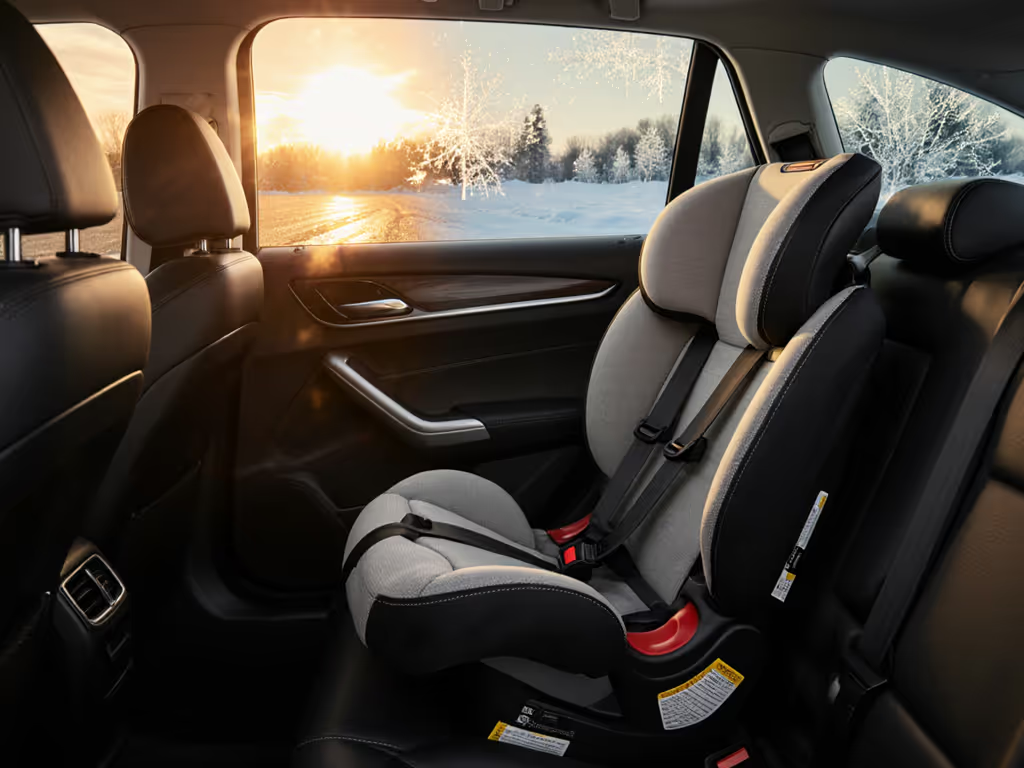
As a caregiver, your number one priority is car seat safety first, especially when Mother Nature throws curveballs. Whether facing sweltering summer heat or bitter winter cold, your child's car seat must perform flawlessly in extreme-weather scenarios. I've seen countless parents hesitate in parking lots, worried about how temperature extremes affect their child's safety. Remember this guiding truth: confidence comes not from perfect conditions, but from repeatable routines you can trust in any weather. Before you begin your next journey, breathe, then buckle.
Hot Weather Hazards: More Than Just Discomfort
When temperatures climb, both your vehicle interior and humidity's effect on car seats become serious safety concerns. Metal buckles, plastic components, and dark vinyl can reach temperatures high enough to cause burns in seconds (especially dangerous for delicate skin). Equally concerning is how the weather's impact on car seat materials compromises safety: hot straps lose tension, vinyl becomes brittle, and humid conditions can degrade webbing over time.
Here's your repeatable hot-weather routine (practice this 3 times to build confidence):
- FEEL every surface before placing your child: run your palm across the seat fabric, headrest, and especially metal buckles
- COVER when parked: drape a light-colored towel over the seat (never directly on your child, it traps heat)
- PRE-COOL the cabin: start your car 5 minutes early with windows down for airflow before installing the seat
- CHECK straps twice: heat makes them stretch, give them an extra tug before buckling
- NEVER leave children unattended, even 10 minutes in 70°F weather can make interiors soar past 100°F
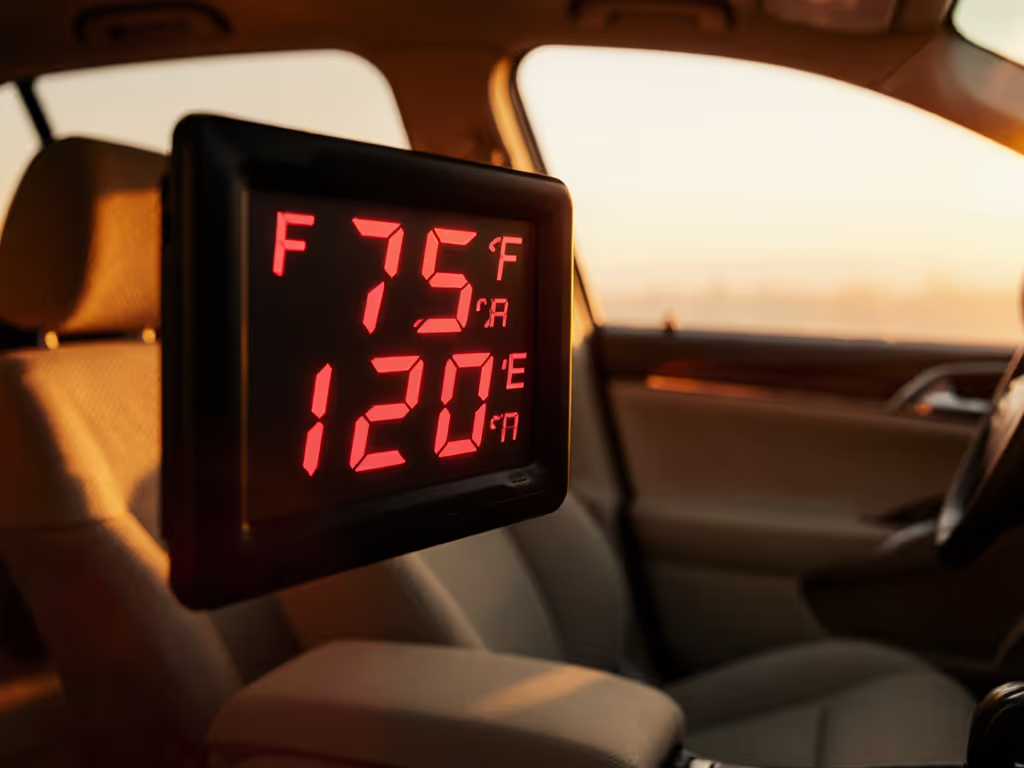
That library parking lot moment still guides my teaching: when a new parent whispered, 'I'm scared I'll do it wrong,' we practiced the temperature check routine until their hands moved automatically. Twenty minutes later, they buckled without hesitation. Hot weather demands this same muscle memory. Remember, the National Highway Traffic Safety Administration confirms that vehicle interiors can jump 20°F within 10 minutes, even on mild days. For detailed summer protocols, see our heatstroke prevention guide for prevention checklists and temperature management tips.
Cold Weather Dangers: The Bulky Coat Trap
Winter's biggest car seat safety myth? That puffy coats keep kids safe. Extreme weather car seat safety requires understanding this critical fact: thick winter gear compresses dramatically during a crash, creating dangerous slack in the harness. I've seen this error firsthand in 3 out of 5 winter installations I check, the harness appears snug, but the coat's padding flattens on impact, leaving room for a child to slip through. Get step-by-step clothing tips in our keeping baby warm without risk guide.
Build your cold-weather confidence with this simple routine:
- STRIP excess layers before installation: dress your child in thin, snug clothing (fleece works better than down)
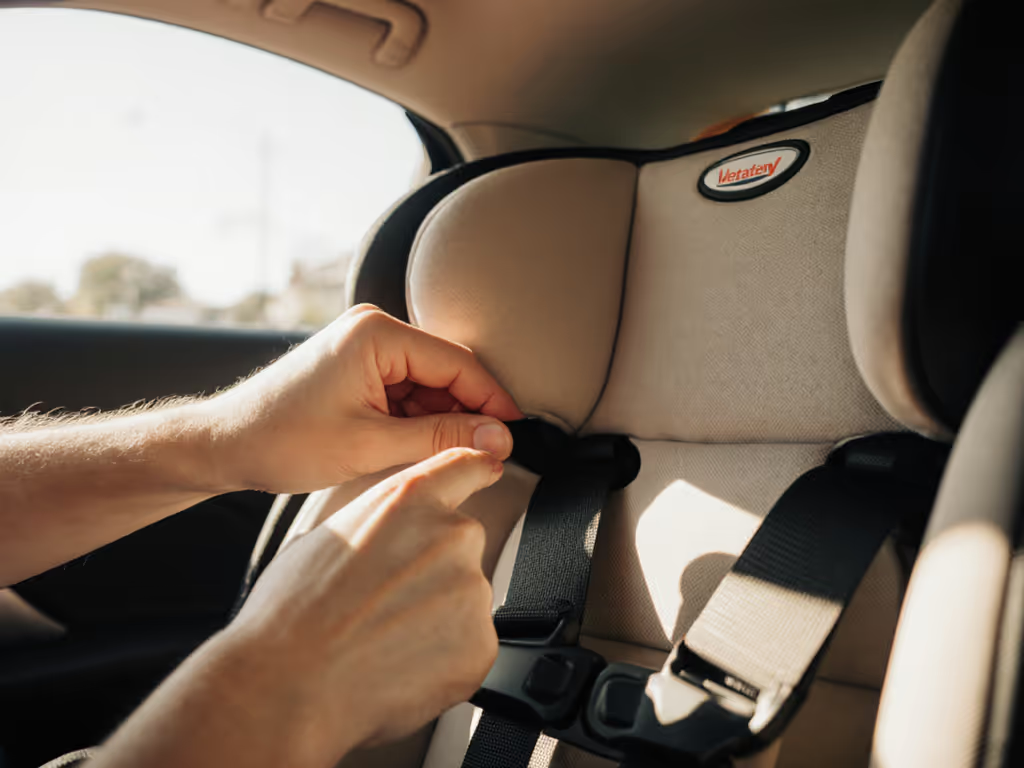
- TIGHTEN the harness on bare clothing: perform the pinch test at the shoulder, no slack should gather between your fingers
- COVER after securing: tuck a blanket over the straps or reverse their coat like a poncho
- RE-TEST every 15 minutes: cold makes straps stretch, pause to check fit during longer trips
- WARM buckles first: moisten your hands slightly and rub cold metal components to prevent skin sticking
Confidence is repeatable installs, snug harness checks, and simple routines.
This isn't just about comfort, it's physics. Research from pediatric safety experts shows that even a 1-inch gap in harness fit doubles ejection risk during collisions. Your routine matters most when it's cold and you're rushing: that's when we skip the pinch test. Make it automatic.
Year-Round Maintenance: Your Seasonal Checklist
Seasonal car seat maintenance becomes effortless when tied to calendar milestones. I recommend these simple quarterly habits:
Spring Preparation
- Wash removable covers (check manufacturer guidelines, some fabrics degrade with frequent washing)
- Check for UV damage on straps (faded or stiff webbing needs replacement)
- Test window shades for effectiveness
Summer Readiness
- Verify seat surface temperatures with a non-contact thermometer
- Store emergency cooling supplies: spray bottle with water, spare light towel
- Practice the 'hot buckle check' routine weekly
Fall Transition
- Deep clean crevices where summer crumbs and moisture collect
- Check harness routing for debris that affects smooth adjustment
- Test cold-weather routine before first frost
Winter Preparedness
- Apply silicone lubricant to plastic buckles (prevents freezing)
- Store an extra set of thin harness-adjustment gloves in your console
- Verify seat base contact with cold, slippery seat covers
The key is making these checks part of your existing rhythms (like checking tire pressure when you get gas, or testing harness snugness when you refill your water bottle). Small actions, repeated consistently, build unshakeable confidence.
Make It Your Routine
True extreme weather car seat safety isn't about special gear, it's about reliable habits that work when you're tired, rushed, or distracted. Start today with one simple action: grab your car seat manual and find the section on temperature guidelines. Most manufacturers provide specific instructions you've probably never noticed. To make these weather checks stick, use our car seat safety checklist as your weekly reference.
Then, practice the hot-weather surface check or cold-weather harness test right now, no child needed. Do it twice. Time yourself. Notice how the second attempt feels smoother. That's the foundation of real confidence.
Your immediate next step: Set a phone reminder labeled 'Car Seat Weather Check' for this weekend. During 15 minutes of downtime, run through your seasonal routine without pressure. Record how long it takes. Next time, you'll beat your time. When extreme conditions hit, you'll already know exactly what to do. Because when the heat rises or the thermometer plummets, your child's safety depends not on perfect weather, but on your perfectly practiced routine. Remember: breathe, then buckle.
Related Articles