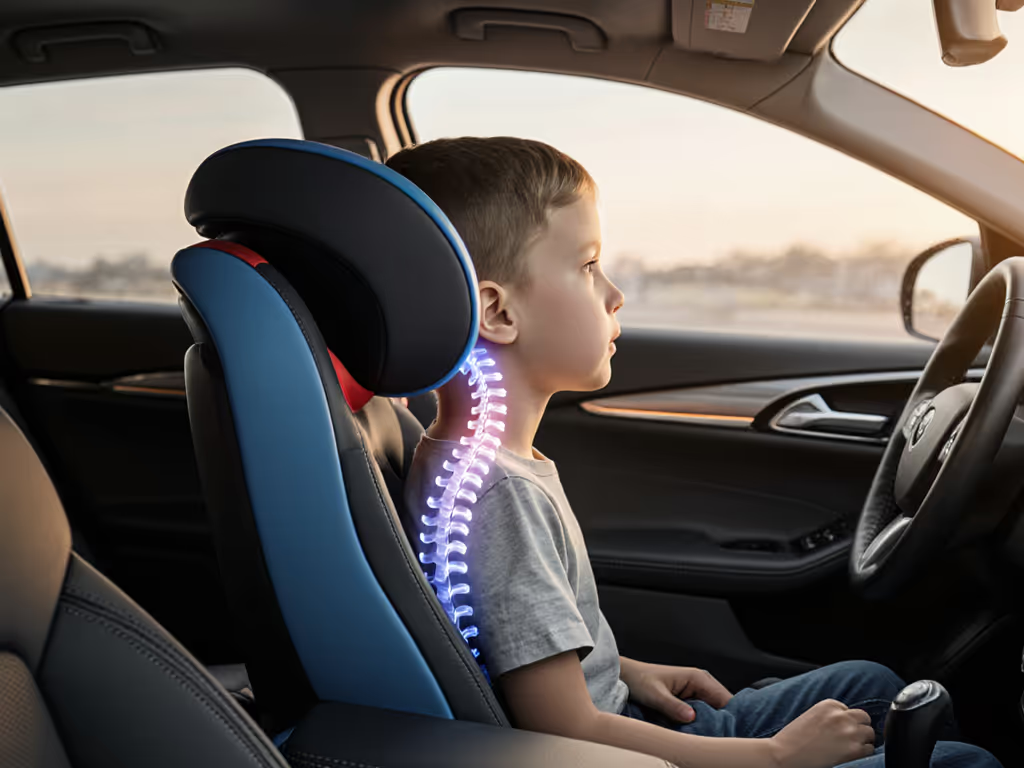
Extended Car Seat Safety for Emergency Evacuations
By Nandita Rao • 11th Dec
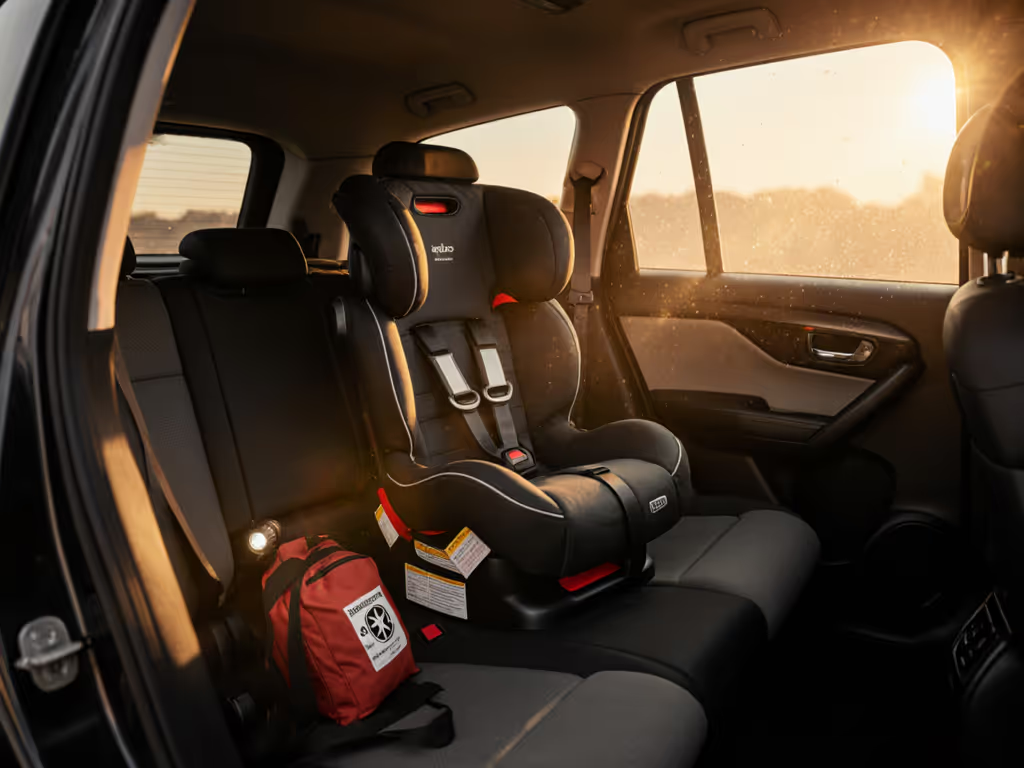
Emergency Evacuation Car Seat Safety: Your Guide to Disaster Preparedness Car Seats
When disaster strikes, your car seat isn't just for daily commutes, it is a critical safety component during emergency evacuation car seat safety scenarios. Understanding proper disaster preparedness car seat practices means knowing how to keep your child secure during the unexpected hours or days when your vehicle becomes a temporary shelter. I've taught thousands of caregivers who've whispered, "I'm scared I'll do it wrong," only to discover that confidence is repeatable installs, snug harness checks, and simple routines they can trust. Today, we'll build those repeatable routines specifically for emergency situations when seconds count.
Why Standard Car Seat Safety Must Extend to Emergencies
Car seats protect children during crashes, but emergencies like wildfires, hurricanes, or floods create different safety challenges. During extended evacuations, you might face:
- Longer-than-expected travel times through difficult conditions
- Stops in unsafe locations where you must keep children secured
- Unexpected vehicle changes when borrowing or sharing transportation
- Emergency personnel protocols requiring quick, safe egress
Just as the FAA mandates specific airplane seat placement during evacuations (window seats preferred, aisle seats restricted), your ground evacuation requires similar strategic thinking. When the San Francisco Fire Department responds to wildfire evacuations, they emphasize that "the back seat is the safest place for your young child", but only if the seat remains properly installed after hours of travel.
Safety Check: Before any emergency, verify your seat's base is still locked tight. If you need a refresher, follow our car seat installation guide for step-by-step checks. Shake the carrier at the belt path. Movement should not exceed 1 inch side to side. If it wobbles, you've lost critical stability that could compromise protection during sudden stops.
Extended Car Seat Use During Disasters: Practical Safety Strategies
Hurricane Evacuation Car Seat Guide for Long Journeys
During hurricane evacuations, families often spend 12+ hours in their vehicles. Traditional car seat usage recommendations don't address these marathon trips. Here's how to maintain safety:
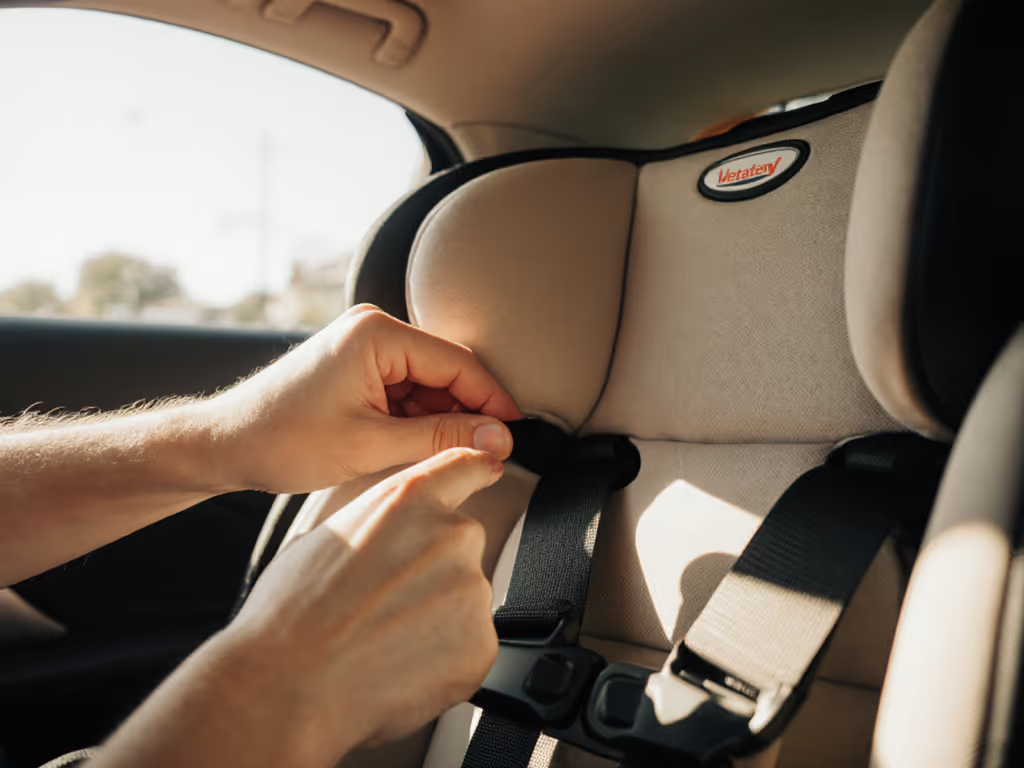
- Recheck harness tightness every 2 hours: Body position shifts during sleep compress padding. Perform the "pinch test". If you can pinch harness webbing at the shoulder, tighten further.
- Rotate seating positions during stops: When safe, switch between rear-facing and forward-facing (if age/weight appropriate) to prevent positional asphyxia during extended periods. To decide when and how long to rear-face, see our extended rear-facing guide.
- Keep emergency essentials within adult reach: Never place items between child and seatback. This creates dangerous compression points during sudden stops.
For wildfire emergency car seat safety, remember that smoke can trigger respiratory distress. Position children where you can monitor breathing without compromising a secure harness fit. Avoid bulky coats that compromise harness effectiveness. For cold-weather evacuations, learn how to keep kids warm safely without loosening the harness. Instead, layer blankets over properly tightened straps.
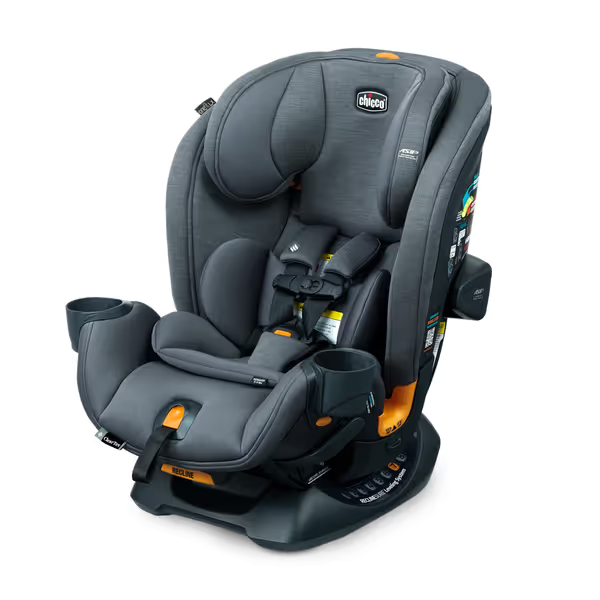
Chicco OneFit LX ClearTex All-in-One Car Seat
One seat for every stage: infant to booster, designed for tight fits.
$329.99
Weight Range5-100 lbs
Weight Range5-100 lbs
Pros
LeverLock for secure, fuss-free installation each time.
Slim design fits more vehicles, including 3-across setups.
Extended rear-facing supports taller children longer.
Cons
Some users find it bulky despite "slim" claim.
Customers find the car seat well-made and easy to install and uninstall, with padding that makes children comfortable. Moreover, they appreciate its safety features, with one customer noting it provides peace of mind during vehicle travel, and its sturdy build quality.
Customers find the car seat well-made and easy to install and uninstall, with padding that makes children comfortable. Moreover, they appreciate its safety features, with one customer noting it provides peace of mind during vehicle travel, and its sturdy build quality.
The Chicco OneFit LX's no-rethread harness system exemplifies the kind of intuitive design that matters during emergencies. When stress clouds your thinking, features like the LeverLock installation system mean you can achieve a secure fit even when hands are shaking (no manual required). During extended evacuations, its space-saving design also prevents the "squeeze effect" when multiple passengers share limited vehicle space.
Building Your Emergency Car Seat Supplies Kit
Essential Items for Disaster Readiness
Your emergency car seat supplies kit should live in your vehicle year-round. Unlike standard emergency kits, this one focuses specifically on maintaining car seat safety during prolonged evacuations:
- Harness tension checker: A small wooden dowel (1/2-inch diameter) to verify proper harness tightness (if it fits between shoulder and strap, it's too loose)
- Compact seat protector: Waterproof, non-toxic mat that won't interfere with harness function
- Emergency hydration system: Hands-free sippy cup with secure mounting that doesn't require undoing the harness
- Lightweight emergency blanket: Fold to layer over properly tightened straps without compromising harness angle
Remember: Confidence comes from repeatable installs and simple daily routines you can trust. When disaster strikes, you won't have time to second-guess your setup.
Critical Avoidances in Emergency Kits
While preparing your extended car seat use during disasters kit, avoid these common but dangerous additions:
- Aftermarket padding or inserts not approved by your seat manufacturer
- Harness covers that create slack or slip during movement
- Mirror attachment systems that interfere with proper harness routing
- Tether extensions that compromise structural integrity
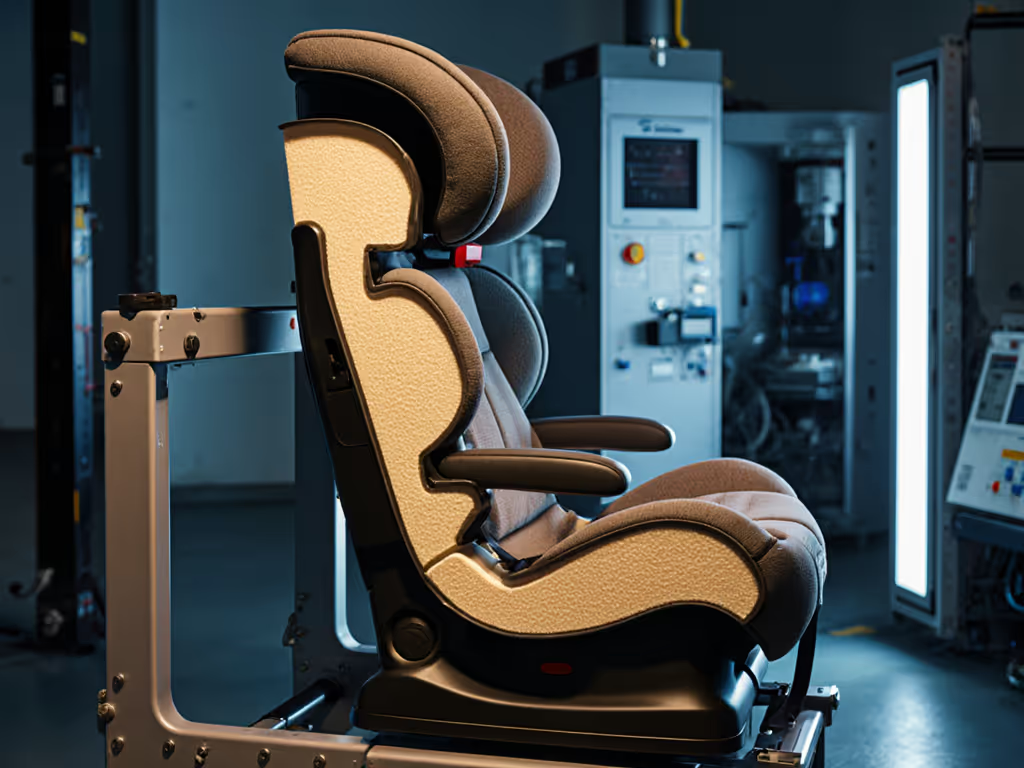
The American Academy of Pediatrics emphasizes that car seats should be used exactly as manufactured during emergencies. No modifications, even well intended ones, should compromise the engineering validated through crash testing.
Creating Your Emergency Car Seat Routine
Disaster preparedness isn't about owning special equipment, it is about building muscle memory with what you already have. Try this monthly practice:
- Simulate emergency conditions: Install your seat with headlights off (using only a phone flashlight)
- Practice blindfolded reinstall: Focus on tactile cues like belt path grooves and buckle clicks
- Time your harness check: Aim to complete snug harness verification in under 15 seconds
- Document your process: Take photos of correct installation points specific to your vehicle
When California experiences wildfire season, I coach parents to integrate these practices into their routine: "Before you fly know your rights, but in your car, know your setup." Just as aircraft operators restrict car seat placement near emergency exits, you should know your vehicle's safest evacuation pathways with children secured.
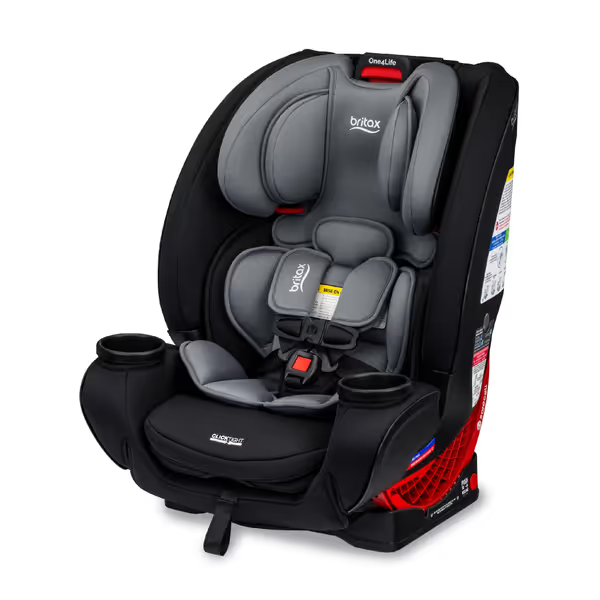
Britax One4Life All-in-One Car Seat
10-year car seat: adapts from infant to booster, installs with confidence.
$349.99
Weight Range5 to 120 lbs
Weight Range5 to 120 lbs
Pros
ClickTight for easy, secure installation every time.
10 years of use: grows with child, no rethreading harness.
Steel frame & SafeCell for trusted crash protection.
Cons
Can be heavy, making it less ideal for frequent transfers.
Customers find this car seat to be a favorite convertible model that's easy to install and remove, with good comfort and safety features that keep children secure. The seat is durable, lasting up to 10 years, and customers appreciate its spacious design that accommodates multiple children. While customers consider it worth the price, they note it is pretty heavy.
Customers find this car seat to be a favorite convertible model that's easy to install and remove, with good comfort and safety features that keep children secure. The seat is durable, lasting up to 10 years, and customers appreciate its spacious design that accommodates multiple children. While customers consider it worth the price, they note it is pretty heavy.
The Britax One4Life's ClickTight technology demonstrates how intuitive design supports emergency readiness. Its single-buckle installation system means you can verify secure attachment through touch alone, which is critical when smoke or darkness impairs visibility. During multi-day evacuations, its 15-position headrest ensures continued proper fit as children grow during extended sheltering periods.
Take Action Today: Your Emergency Preparedness Checklist
Don't wait for sirens to test your readiness. This week:
- Conduct a "blackout install" in your driveway after dark
- Verify emergency kit placement is accessible without undoing the harness
- Photograph correct harness fit for quick reference during stress
- Schedule vehicle-specific training if unsure about your installation Print and practice our step-by-step installation checklist so you can verify critical points in seconds.
When disaster strikes, you'll want to breathe, then buckle with absolute certainty. That confidence doesn't come from perfect equipment, it comes from practiced repetition of simple, reliable routines. I still remember that nervous parent in the library parking lot who thought they'd "never get it right." After two practice reinstallations, their hands moved with certainty. That's the power of preparation, not perfection.
Your next step? Tonight, spend five minutes practicing harness checks in the dark. Make it a habit, and when emergency evacuation car seat safety matters most, your hands will know exactly what to do.
Related Articles