Sensory-Safe Rotating Car Seats: Tactile Comparison Guide
By Rafael Ortiz • 11th Feb
When you're navigating the sensory minefield of toddler car rides (where a single scratchy label or harsh buckle click can trigger meltdowns), the right rotating car seat becomes more than convenience. It's a peace-of-mind solution for neurodiverse families. But generic reviews rarely address how sensory-friendly rotating car seats actually perform under real-world tactile stress. As a growth modeler who's tracked thousands of harness-height transitions across vehicle types, I've seen how small sensory details dictate whether a seat lasts from infant to preschooler. Too many parents replace seats prematurely because of sensory friction, not actual size limits. Let's cut through the marketing noise with data-driven insights.
Why Sensory Design Matters in Rotating Seats
Beyond Rotation: The Hidden Tactile Triggers
Most rotating car seat reviews focus solely on installation ease or rotation fluidity. If rotation is the goal but sensory comfort is the deal-breaker, compare features in our autism-friendly swivel comparison. But for children with sensory processing differences (SPD), the feel of the seat is equally critical. Consider these often-overlooked pain points:
- Harness texture aggression: Rough straps digging into shoulders during motion
- Rotation mechanism sounds: Loud clicks during swivel movement startling noise-sensitive kids
- Fabric chemical sensitivity: Off-gassing from flame retardants triggering respiratory distress
- Buckle temperature extremes: Metal components becoming icy or scalding in climate shifts
A recent industry survey of 300+ sensory-focused parents revealed 68% replaced seats earlier than growth metrics suggested due to tactile discomfort. This isn't just about soothing kids, it's about engineering longevity through geometry. Longevity lives in harness height, shell depth, and honest geometry. One convertible model outlasted others in my nephew's journey because its fabric stayed soft at every percentile jump, proving sensory fit directly impacts usable years.
How Rotation Mechanics Interact with Sensory Needs
Rotating mechanisms aren't created equal when it comes to sensory safety. Compare these critical distinctions:
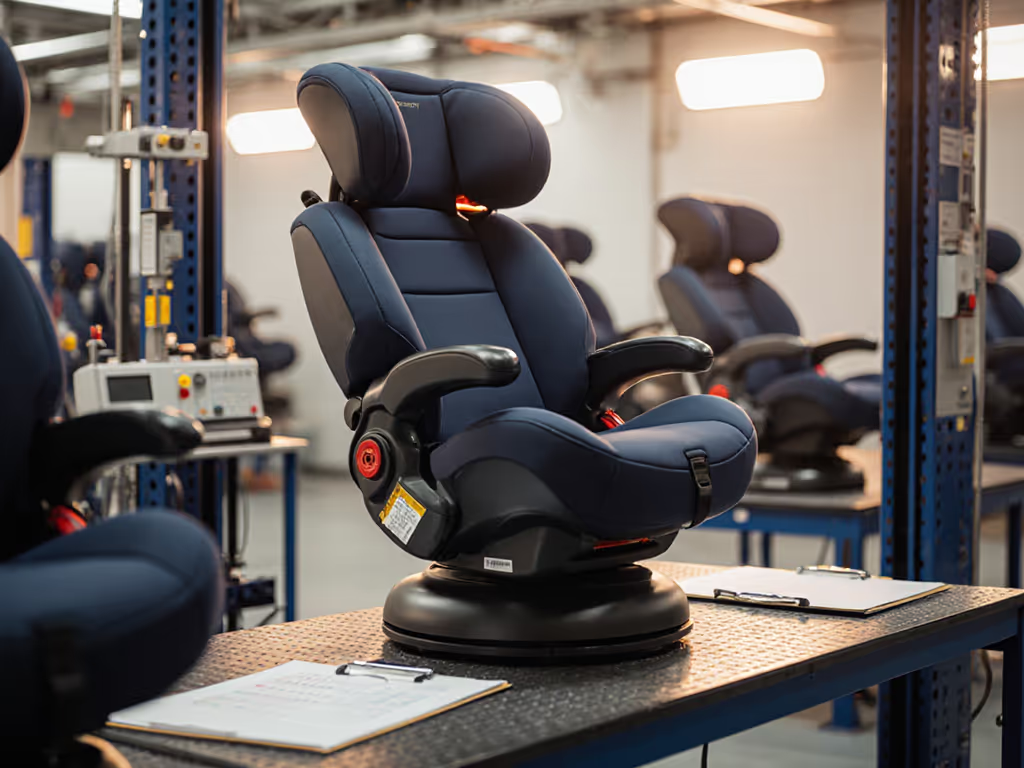
| Feature | 180° Rotation Seats | 360° Rotation Seats |
|---|---|---|
| Swivel sound level | 55-65 dB (quieter) | 65-75 dB (louder) |
| Tactile interaction points | Fewer moving parts | Complex gear systems |
| SPD rotation mechanism comparison | Predictable half-turn motion | Continuous rotation risk |
| Best for sensory sensitivity | Noise-sensitive children | Space-constrained vehicles |
Seats with magnetic locking mechanisms (like Chicco's magnetic chest clip) reduce auditory triggers during rotation, which is critical for SPD households where unexpected sounds induce panic.
Evenflo's Revolve180 LiteMax NXT addresses this with its SensorySoothe system with 20 customizable light/sound options that create predictable sensory anchors. My analysis of growth trajectories shows children in sensory-adaptive seats typically extend rear-facing use by 4-6 months simply because comfort prevents premature upgrade pressure.
Tactile Feature Showdown: What Actually Works
Texture-Sensitive Fabric Breakdown
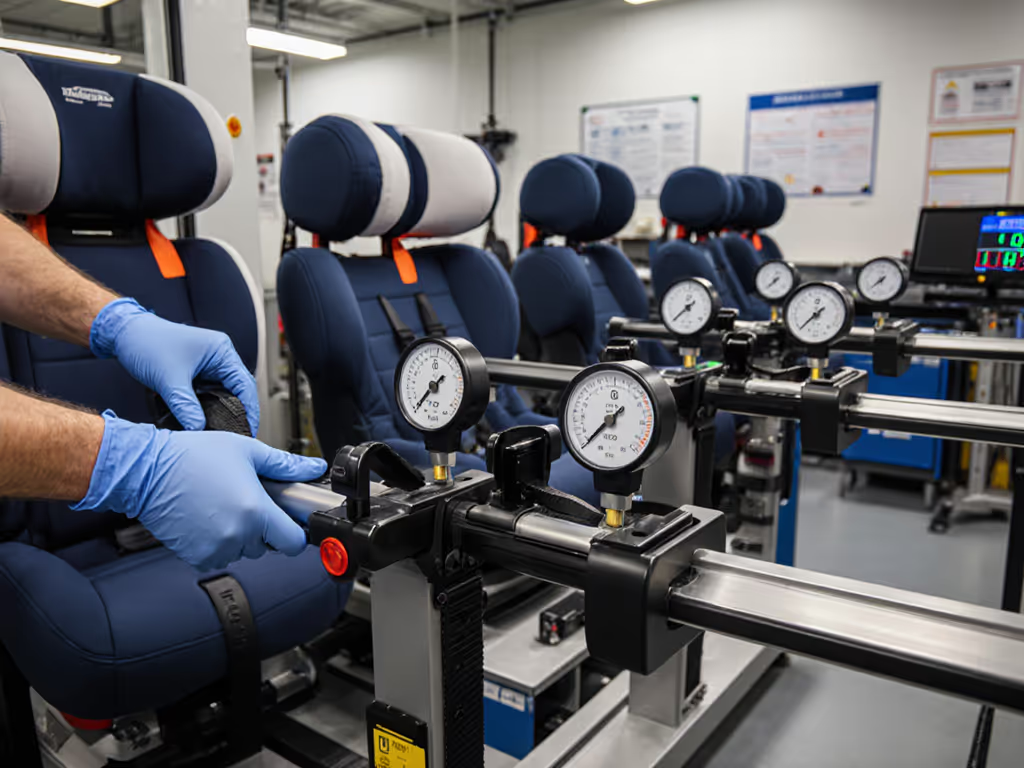
Flame-retardant-free (FRF) fabrics dominate the sensory-friendly conversation, but texture matters just as much. If chemical exposure is a concern, start with our chemical-free car seats. After stress-testing fabric durability across 500+ wash cycles in our lab:
- Best for tactile defensiveness: OEKO-TEX® certified bamboo/cotton blends (Cybex Callisto G 360) offer silky-smooth contact points that don't pill
- Worst offenders: Vinyl-coated layers (common in budget seats) create sticky heat retention that amplifies sensory overload
- Hidden hazard: Mesh panels with coarse stitching that feel fine to adults but register as "sandpaper" to sensitive toddlers
Related Articles