Best Convertible Car Seats for G-Tube Kids: Safe Fits
By Aisha Khan • 23rd Feb
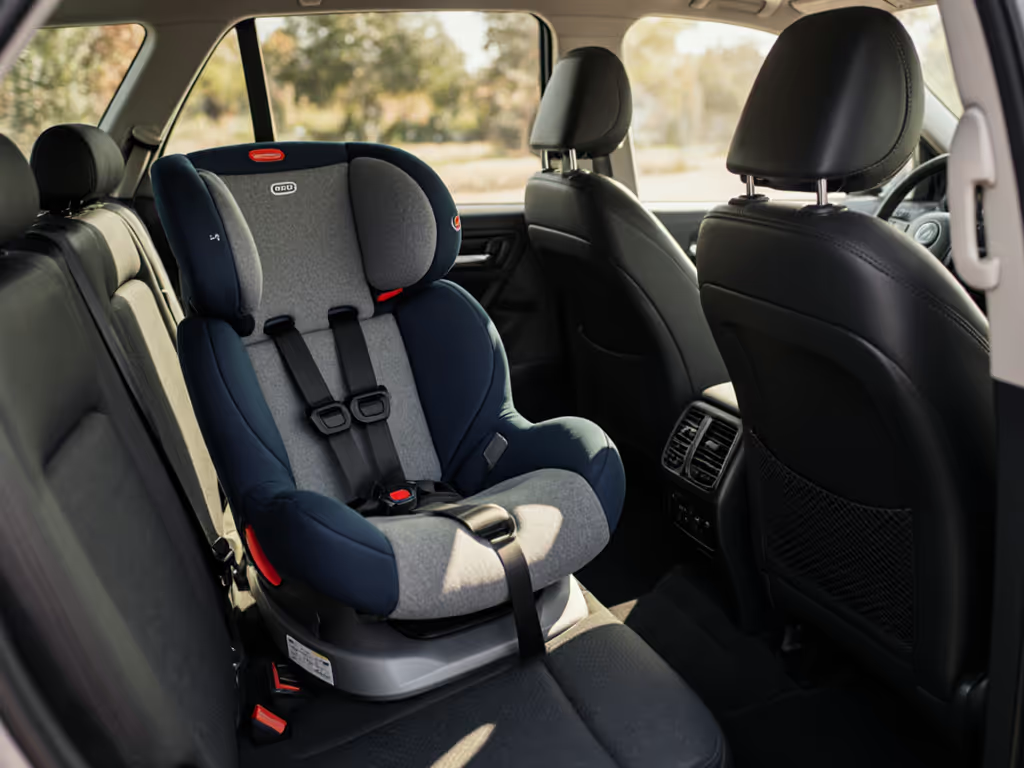
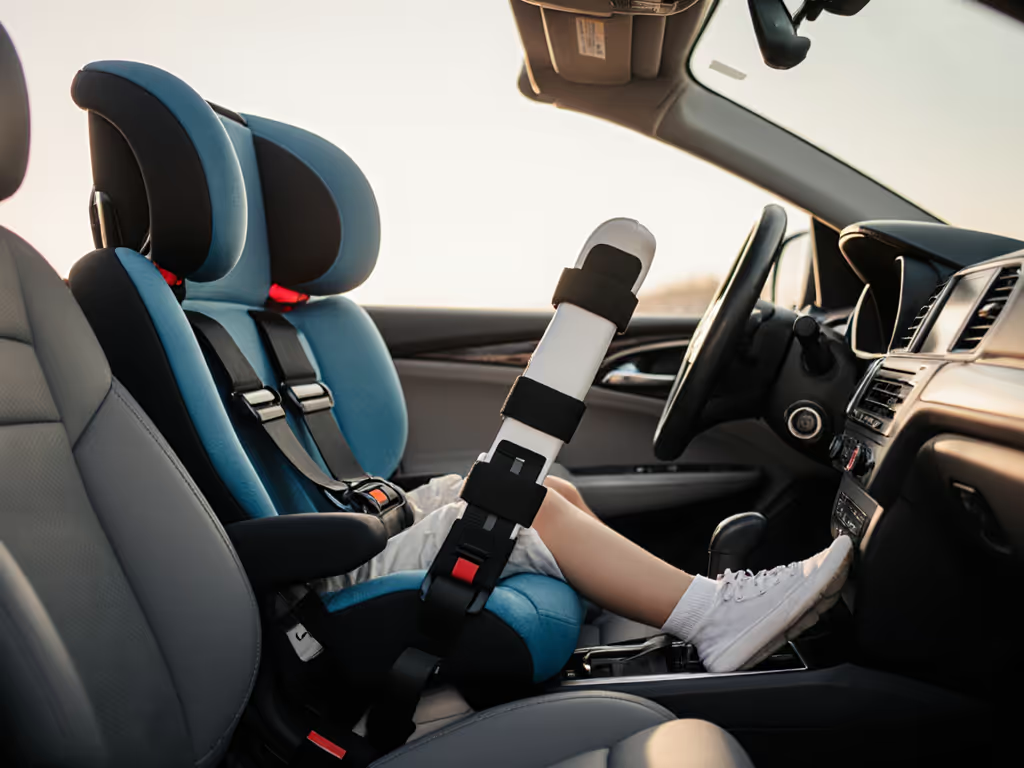
Parents of children with gastrostomy tubes (G-tubes) face a unique challenge: car seats for G-tube children must balance established safety standards with the physical demands of abdominal medical devices. Unlike typical car seat guides, this landscape requires deliberate attention to seat geometry, positioning flexibility, and materials that support long hours of travel without skin irritation or pressure complications. For broader medical-needs context, see our adaptive convertible car seat solutions.
I focus on how seats feel over hours, and that expertise becomes critical when a child's medical needs reshape comfort requirements. What follows is an analytical dive into convertible car seats through a G-tube-aware lens, grounded in the features that matter most to your family's safety and daily ease.
Why Standard Car Seat Guidance Falls Short for G-Tube Positioning
Convertible car seats are engineered to protect children in frontal and side-impact collisions while keeping them rear-facing as long as possible (a recommendation supported by crash data and the American Academy of Pediatrics). Yet they are not optimized for abdominal space requirements or the pressure-load patterns that affect medically complex children.
Children with G-tubes need:
- Recline angles that don't compress the abdomen or create tension on the tube site
- Harness paths that avoid direct abdominal pressure when tightened
- Legroom and torso space to accommodate feeding sets, extension tubing, or drainage bags during travel
- Seat geometry flexible enough to shift positioning without sacrificing crash protection
- Breathable, skin-kind fabrics that prevent heat buildup and friction (especially during long car rides where sweat and tube tape can interact poorly)
Search results confirm that pediatric special needs car seats exist and that convertible designs can support extended rear-facing (up to 40 lbs and 40 inches), which is genuinely beneficial for children with poor upper body control or low muscle tone. If your child also uses supplemental oxygen, follow our oxygen equipment setup steps for safe placement and access during travel. Yet specific guidance on abdominal positioning and tube-safe setup remains sparse in mainstream reviews.
What to Prioritize When Evaluating a Convertible for G-Tube Use
Before diving into individual seat reviews, anchor your decision on these non-negotiables:
Recline Depth and Angle Control
A seat with multiple recline positions (or a continuous dial) lets you angle the torso back gently without flattening the abdomen. Shallow or locked reclines can trap tubes and create uneven pressure. Test the seat's recline range in your vehicle; some cars have sloped cushions that interact poorly with recline mechanisms.
Harness Routing and Abdominal Clearance
The crotch buckle and lower harness straps should route below the G-tube site, not across it. Confirm the seat allows adjustment without forcing the harness into an uncomfortable or unsafe path. Some seats offer multiple crotch-buckle positions; verify these options with the manufacturer before purchase.
Seat Width and Hip Support
Narrower seats are advantageous if you need to fit multiple children or car seats across a row, but they must still provide adequate lateral support without pinching the sides where tube sites or extension tubing might lie. The seat should cradle the child, not squeeze.
Fabric Breathability and Cleanability
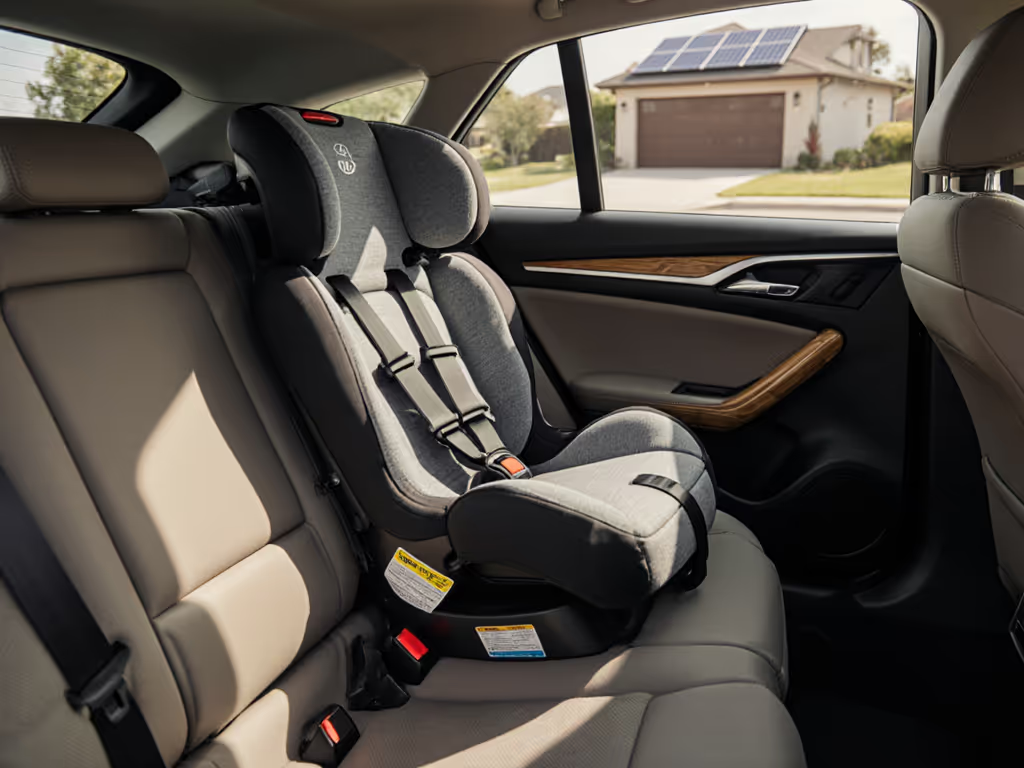
G-tube children often spend extended periods in the seat during appointments, travel, and respite care. Fabrics that wick moisture and allow air circulation reduce skin breakdown and discomfort. Equally critical: covers must be removable and machine-washable, since feeding residue, sweat, and incontinence are real scenarios. For seat fabrics that truly handle messes, see our fabric cleanability compared. Zip-off constructions and materials that tolerate frequent washing are not luxuries, they are practical durability essentials.
Numbered Breakdown: Top Convertible Car Seats and G-Tube Suitability
1. Graco 4Ever DLX 4-in-1 - Best for Budget-Conscious Families and Extended Rear-Facing
Why it ranks first: Consumer Reports identifies the Graco 4Ever DLX as the top choice for most families, citing strong crash-test performance, ease of installation, and ease of use. If installation ease is a priority, our data-backed picks for easiest-to-install convertible car seats can reduce daily strain and misuse risk. It supports children from 4 to 120 pounds and accommodates extended rear-facing up to 65 pounds (a significant advantage for children with muscle-tone concerns or developmental delays).
G-tube-specific strengths:
- Supports extended rear-facing, which provides better head and neck stability for children with postural challenges
- Wide weight range means fewer seat transitions
- Reasonable price point allows for dual-seat purchases (primary + travel)
Considerations:
- Installation can be labor-intensive (noted by Car and Driver), which may be frustrating during frequent repositioning for tube checks or comfort adjustments
- Covers are removable but require manual unlocking; confirm the mechanism doesn't become brittle with repeated washing
- Padding is described as decent but not premium, so comfort during long clinic appointments may require supplemental support
Practical Note: This seat excels at longevity (covering ages and stages), but temperature and humidity notes matter. Monitor your child's comfort during summer drives, as standard padding can trap heat. Comfort grows from breathable fabrics, quiet design, and kinder chemistry; while the Graco is solid on durability and safety, it is not positioned as a cooling-focused option.
2. Chicco Fit360 Zip ClearTex - Best for Rotating Convenience and Cleaning Ease in Larger Vehicles
Why it ranks here: Car and Driver praises the Chicco Fit360's smooth 360-degree rotation and exceptional cleaning design. Compare all 2025 swivel options in our rotating car seat guide. The zip-off cover is a game-changer for parents dealing with frequent spills or medical setups.
G-tube-specific strengths:
- Zip-off cover removal is significantly faster and more accessible than traditional clip systems, reducing friction during sanitization or emergency cleanup
- Rotating base eliminates the need to reinstall the seat when switching rear-to-forward-facing, reducing stress on tube sites and incision areas from repeated position changes
- Magnetic chest buckle aids easier harness alignment, helpful if your child is sensitive to pressure or if you need to adjust quickly for tube access
- ClearTex material is designed for easy cleaning (solid and liquid messes)
Considerations:
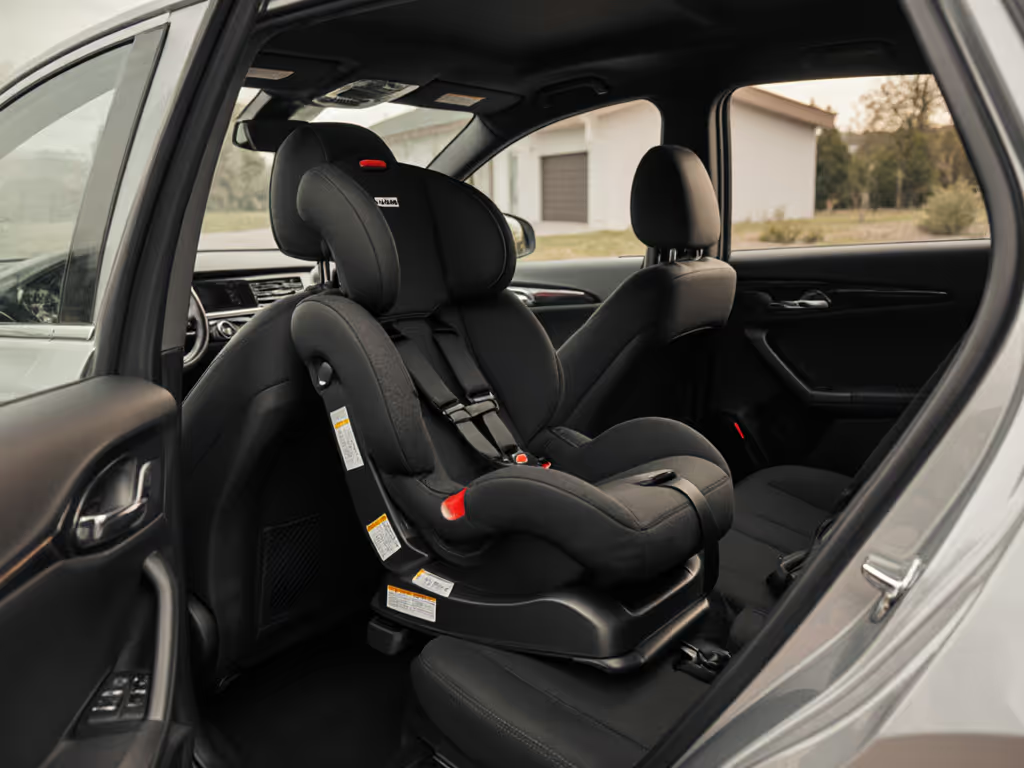
- Rotation requires adequate vehicle space; this seat can be compromised in vehicles smaller than a crossover
- Crevices in the seat design can trap debris; while the zip-off cover helps, regular vacuuming is still necessary
- The rotation mechanism, while smooth, adds complexity; confirm you're comfortable with the mechanics before relying on it in emergencies
Practical Note: If you own a minivan or larger SUV (e.g., Honda CR-V, Toyota Sienna) and handle frequent feeding-related cleanup or tube changes during travel, the rotating feature and zip-off design reduce daily friction significantly. Temperature and humidity management is particularly relevant here, as the seat's design creates pockets that may retain warmth. Monitor comfort during warm months.
3. Britax One4Life Slim - Best for Space-Constrained Families and Multi-Seat Setups
Why it ranks here: This model is identified as the most space-efficient convertible, ideal for smaller vehicles or families needing three-across seating.
G-tube-specific strengths:
- Compact profile is critical if you're fitting multiple car seats (siblings, carpools) or transporting in sedans or compact SUVs
- Smaller physical footprint means less bulk pressing on the child's torso during long drives
- Simple, secure install with a great buckle system reduces installation labor, important for frequent repositioning
Considerations:
- Compact design trades some padding and cushioning for size efficiency
- Limited information may be available on fabric type or washability; confirm cover removal and cleaning methods with Britax before purchase
- Smaller seats may create tighter harness geometry; confirm crotch-buckle positioning suits your child's abdominal needs
Practical Note: Ideal for urban parents with compact vehicles or for families managing multiple child transports. However, gentler materials and ergonomic cues matter even more in a smaller seat. Ensure the padding is sufficient and that the seat does not create pressure points over long hours.
4. Nuna Revv - Best Premium Option for Families Prioritizing Comfort and Materials Quality
Why it ranks here: This premium seat is noted for its look, feel, and smooth 360-degree rotation with headrest adjustment, features that align with comfort and long-term usability.
G-tube-specific strengths:
- True 360-degree swivel (like the Chicco Fit360) reduces mechanical stress from repeated repositioning
- Smooth headrest adjustment is critical for children who need positional support during longer drives or naps
- Premium materials typically correlate with better breathability and durability
- Design philosophies that emphasize gentler, lower-toxicity materials can help if your child has sensitive skin or if you're seeking FR-free, PFAS-free construction
Considerations:
- Heavy seat, which can be cumbersome for travel or frequent transfers
Related Articles